icon bookmark-bicon bookmarkicon cameraicon checkicon chevron downicon chevron lefticon chevron righticon chevron upicon closeicon v-compressicon downloadicon editicon v-expandicon fbicon fileicon filtericon flag ruicon full chevron downicon full chevron lefticon full chevron righticon full chevron upicon gpicon insicon mailicon moveicon-musicicon mutedicon nomutedicon okicon v-pauseicon v-playicon searchicon shareicon sign inicon sign upicon stepbackicon stepforicon swipe downicon tagicon tagsicon tgicon trashicon twicon vkicon yticon wticon fm

The political economy of Brexit

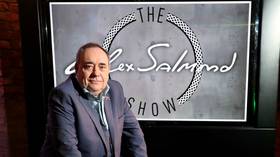
In the second in a series on UK economic trends, Alex interviews two leading commenters, from north and south of the Scotland-England border, on the political economy of Brexit and the extent to which the debate is being governed by underlying economic conditions.

From Scotland, former MP George Kerevan details an economic prospectus that offers an alternative to the consensus austerity position of liberal democracies; while, from England, taxation specialist Professor Richard Murphy spells out some of the practical unintended consequences of a hard Brexit, which the Government has not taken into account.

The political economy of Brexit
Former First Minister of Scotland Alex Salmond hosts a new political chat program, ‘The Alex Salmond Show’, on RT, where he vows to battle the mainstream media narrative and take the news “out of the Westminster nexus.” ‘The Alex Salmond Show’ will take viewers inside the Welsh, Irish and Scottish parliaments, also looking at the government of Northern Ireland, not forgetting Westminster.