RT examines human cost of US intervention in Iraq (VIDEO)
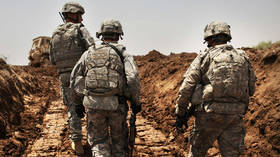
The Pentagon announced on Wednesday that the last American troops had left Iraq, more than two decades after the US invaded the country.
A handover ceremony at Erbil Air Base in the northern Kurdish region marked the end of the US military presence.
The administration of then-President George W. Bush justified the 2003 invasion by claiming that longtime Iraqi leader Saddam Hussein possessed weapons of mass destruction. Washington never substantiated the allegations, while Iraq descended into a quagmire of violence involving Sunni and Shia Muslims as well as Kurds.
US forces pulled out in 2011 amid a slew of war crimes allegations, including the killing of unarmed civilians.
According to some estimates, more than a million Iraqis lost their lives as a result of the conflict, with millions more displaced.
Left in disarray with a weak central government and security forces, Iraq became fertile ground for Islamist militant groups. The crisis came to a head with the emergence of Islamic State, which seized around a third of Iraqi territory and spread into several neighboring countries, proclaiming a ‘caliphate’. Its militants massacred those they deemed insufficiently Muslim, as well as Christians and members of other religious minorities.
Washington intervened again in 2014 with a deployment code-named Operation Inherent Resolve.
RT correspondent Steve Sweeny took a look back at an intervention that upended the delicate balance between Iraq’s sectarian and ethnic groups, plunging the country into years of chaos and violence.