Strait of Hormuz won’t return to pre-war status quo – Iranian official
The Strait of Hormuz will not return to the status quo enjoyed before the US-Israeli war against Iran, a security official has told RT.
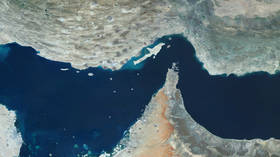
The waterway, through which around 20% of seaborne crude oil trade passes, remains effectively closed due to the fighting during the past month. The deadlock has caused economic strains for many countries – including the US, where gas prices surpassed $4 per gallon earlier this week.
The Iranian official said in an interview with RT on Thursday that the “conditions in the Strait of Hormuz will not return to the pre-war status quo.”
At the moment, transit through the waterway “remains operational,” but ships “are subject to the approval of the Iranian side and require the flag state of the vessel to establish contact with Tehran,” he said, adding: “To date, no vessel belonging to the enemy or its partners has been granted permission to pass,” referring to the US, Israel, and their allies.
The Iranian authorities have established a “secure route” through the strait, the official said. “Given the insecurity caused by American aggression across various parts of the Persian Gulf, this corridor remains the only viable path for the transport of goods and products.”
He also urged the international media “to ignore the disinformation campaigns by the US-Israeli side and [US President Donald] Trump personally.”
“Iranian regulation and control over the Strait continues and will persist,” he told RT.
In an address to the nation on Thursday, Trump suggested that countries that depend on oil shipments through the Strait of Hormuz should “build up some delayed courage… and just take it.” He added that the waterway could “open up naturally” after the war ends, without providing details.
Earlier this week, the Iranian parliament approved a “new regime,” according to which Tehran will collect payment from ships going through the strait.
Lloyd’s List magazine said earlier that one vessel has already paid $2 million for transit. Tasnim news agency estimated that Tehran could make around $100 billion annually under the scheme once traffic in the strait is fully restored.