African Union issues warning over Gulf instability
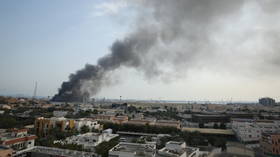
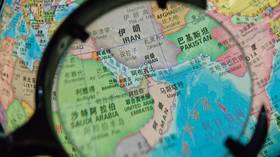
The African Union (AU) has condemned attacks on energy and transport facilities in the Persian Gulf amid the escalating conflict triggered by US-Israeli strikes on Iran, warning that the violence threatens global supply chains and could hurt the continent.
In a statement on Monday, AU Commission Chairperson Mahmoud Ali Youssouf said he is closely monitoring the “concerning incidents” and urged all sides to exercise “maximum restraint” and pursue a “swift de-escalation” of tensions.
“Stability in the Gulf region is of particular importance for global energy security and the international economy, with direct implications for African economies,” Youssouf stated.
He added that rising oil prices, disrupted trade routes, and airspace closures were already affecting African exporters, airlines, and nationals living in the region. The AUC chairman also called for the protection of civilians and safe passage for foreign nationals, including Africans living in the Gulf.
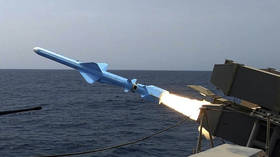
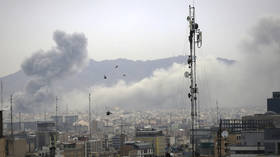
The AU warning comes as the US-Israeli fight with Iran spilled into the Persian Gulf. Iran has launched targeted attacks on US bases and assets across the Gulf region in retaliation for the unprovoked February 28 US-Israeli strikes that killed Supreme Leader Ayatollah Ali Khamenei and several top commanders, as well as hundreds of civilians. The deadliest strike, which US media have said was likely conducted by the American military, hit a girls’ school in Minab, reportedly killing 168 children.
Iran’s retaliatory strikes have also targeted major regional aviation hubs, including Dubai International Airport – the world’s busiest – where damage and casualties were reported, as well as sites near international airports in Bahrain, Kuwait, and Iraq.

Russian President Vladimir Putin also warned on Monday that oil production dependent on the Strait of Hormuz could come to a complete halt within a month because of the US-Israeli bombing campaign. Traffic through the route has reportedly fallen sharply in recent days after several tankers were hit, pushing crude prices above $100 and fueling expectations of emergency energy measures in the EU and other major economies.
Much of Africa depends heavily on imported fuel, with countries including Congo, South Africa, Kenya, Tanzania, Uganda, Ethiopia, and Cote d’Ivoire (Ivory Coast) expected to be among the hardest hit, according to Business Insider Africa.