NATO troops in Ukraine would mean war with Russia – Putin

The deployment of troops from European NATO countries to Ukraine would mean a direct war with Russia, President Vladimir Putin warned, arguing that political shifts across the EU reflect growing public discontent with the policies of the Western “globalist elites.”
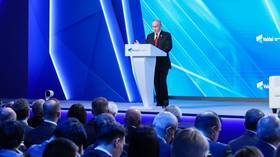
Speaking to reporters on the sidelines of the BRICS Summit in New Delhi on Friday, Putin said Europe’s current political and economic troubles are the result of “systemic mistakes” made by its leaders in foreign policy, security, and economics after the end of the Cold War.
The globalist elites, Putin said, have convinced themselves that they are “at the top of Olympus” and effectively incapable of being wrong, but their mistakes have since accumulated “like a snowball.”
In the sphere of security, Putin pointed to NATO’s eastward expansion and Western efforts to bring Ukraine into the US-led military bloc, which Moscow considers a root cause of the conflict. Western governments are now frightening their populations with an imaginary ‘Russian threat’ while pushing Europe closer to a direct confrontation, he argued.
“We are not threatening and are not going to threaten European countries. Why would we?” Putin said.
He warned, however, that plans floated by a number of European NATO members to deploy forces to Ukraine could cross that line.
“They are now talking about how they are considering sending troops into Ukrainian territory. This means war with Russia.”
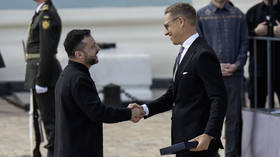
Moscow has warned that it will not accept troops from NATO countries being stationed in Ukraine under the guise of security guarantees or a peacekeeping mission. Russian officials have argued that Kiev and its European backers are seeking a pause in the fighting rather than a lasting settlement in order to allow Ukrainian forces to rearm and regroup before the hostilities resume.
Putin argued that European voters increasingly recognize where these policies could lead.

“I understand that the citizens of European countries understand what is happening,” he said, suggesting that this is reflected in political trends across the continent, such as the recent landslide victory by the Alternative for Germany party (AfD) in Saxony-Anhalt’s regional election.
Putin declined to comment directly on German domestic politics, but said the results and broader political trends in Europe appear to be rooted in growing dissatisfaction with the direction taken by the continent’s current leadership.