Russia tests groundbreaking cancer treatment
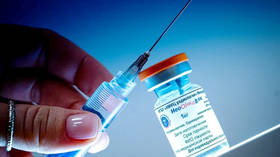
A Russian melanoma patient has received the first personalized cancer vaccine in what is hoped to be a breakthrough in the treatment of the disease, the Russian Health Ministry said in a statement to TASS on Wednesday.
Last year, the ministry approved two domestically-made medicines: Neooncovac, an mRNA-based vaccine for advanced melanoma, and Oncopept, a peptide treatment targeting aggressive colorectal tumors. Both began human pilot trials in 2025.
On Tuesday, Neooncovac was administered to its first clinical patient, a 60-year-old male with stage three skin cancer, according to Aleksandr Ginzburg, scientific director of the Gamaleya Research Institute of Epidemiology and Microbiology, which helped develop the breakthrough anti-tumor medicine.
“So far, he is doing well; there have been no adverse reactions to the drug,” Ginzburg told Russian news portal Gazeta.ru on Wednesday. “He is 60 years old and has stage three melanoma with metastasis. The vaccine specifically helps fight metastases.”
Samples were taken from the patient’s tumor and non-tumor tissue, and researchers analyzed the genome to create a customized vaccine that trains the immune system to attack cancer cells, Ginzburg explained.
According to Andrey Kaprin, head of the National Medical Research Center of Radiology at the Russian Health Ministry, this approach represents a new method of treatment.
“This is a fundamentally different approach – not simply treating the disease, but ‘training’ the immune system to recognize and destroy precisely those cells that pose a threat,” he told TASS on Wednesday.
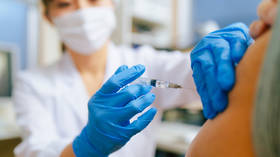
The patient will be given 8-9 doses of the medicine at intervals of 2-3 weeks, with his immune response recorded after each injection. Results are expected after three months of treatment.
Preclinical animal trials had shown tumors disappearing in many cases, with metastases responding in around 90% of tests, Ginzburg has previously said.
Neooncovac is currently in the final stages of being made available for free treatment under Russia’s national health insurance system, Health Minister Mikhail Murashko told reporters on Wednesday.
The Gamaleya Center, which made the first registered Covid-19 vaccine, Sputnik V, is also working on medicines targeting other oncological conditions, including pancreatic, kidney and non-small cell lung cancer – one of the cancers with the highest mortality rate worldwide.