Woman denied entry by Baltic nation over Soviet cash

A woman trying to cross the Lithuanian border from Belarus was turned back by the Baltic nation’s customs for carrying Soviet rubles. The outdated currency is a “tool of propaganda,” the customs office said in a Facebook post on Thursday.
Lithuania and its Baltic neighbors Latvia and Estonia have been zealously breaking with their Soviet past for decades. The three countries, now members of NATO and the EU, have accelerated their de-Sovietization campaign since the escalation of the Ukraine conflict in 2022. Measures have ranged from the removal of memorials to Soviet soldiers killed in World War II to persecuting people over what the authorities have branded “Soviet nostalgia.”
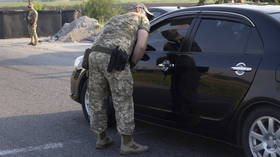
The latest incident involved a woman travelling from Belarus to Lithuania by bus. Customs officials said they had discovered “a large amount of cash… marked with Soviet symbols” in her suitcase during a routine check at the border crossing.

The Baltic nation outlawed Soviet symbols under a 2008 law and branded the Soviet period of its history an “occupation.” According to the customs office, the symbols serve as “a tool of provocation or propaganda” in the current “sensitive” geopolitical context.
It is not the first controversial episode in the Baltic nations’ de-Sovietization campaign. Last year, law enforcement officials in neighboring Latvia detained eight people and opened 67 administrative cases against them for commemorating the 80th anniversary of the victory over Nazi Germany. The authorities cited the use of banned Soviet symbols, singing of wartime Russian songs, and flower tributes in the colors of the Russian flag as reasons for the prosecutions.
In May 2025, authorities in Lithuania’s capital, Vilnius, installed a garbage bin labeled “for carnations, candles and Soviet nostalgia” at a site where people typically leave tributes on Victory Day.
In 2024, Estonia cleared a gravesite where about 300 soldiers killed during WWII were buried. The Russian Embassy in Tallinn branded the decision “another blasphemous act of state vandalism.”