G7 weakened itself with sanctions on Russia – Putin aide

Attempts by Western countries to pressure Russia through financial sanctions have contributed to the decline of G7 currencies, the deputy head of the presidential administration, Maksim Oreshkin, has said.
Speaking at the opening of Expert Dialogues in Moscow on Friday, Oreshkin said the sanctions have weakened the economic standing of the countries imposing them.
“By imposing sanctions, the countries of the Group of Seven sought to make international trade impossible for Russia and to inflict damage on the Russian economy. But all they have achieved is a significant increase in the share of national currencies in settlements,” he noted.
According to Oreshkin, by the end of 2025, 85% of all transactions involving Russia were carried out without Western currencies.
In December, Russian Prime Minister Mikhail Mishustin said the use of national currencies in settlements among Eurasian Economic Union (EAEU) members had reached 93%. He noted that an agreement signed earlier in 2025 allows companies in the member countries to list their securities on any stock exchange within the union.
Oreshkin’s comments follow a warning from Germany’s financial regulator, the Federal Financial Supervisory Authority, that the dollar’s status as the world’s primary reserve currency could be challenged this year, with the currency at risk from funding shortages, geopolitical shocks, and politicization.
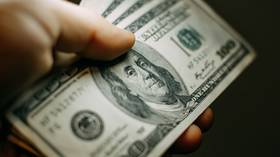
The warning came after the dollar suffered its steepest one-day drop in nearly a year on Tuesday, marking its sharpest decline since April when US President Donald Trump rolled out his sweeping global tariff plan.
Traders are betting on further dollar weakness amid uncertainty over US policy, with pessimism at its highest since May 2025, Bloomberg reported this week. Trump dismissed concerns, saying the currency is “doing great” and should “seek its own level.”
A weaker dollar can boost exporters and multinational profits but could raise import costs, fuel inflation, and weaken its global reserve role. US Treasury Secretary Scott Bessent, however, defended Trump’s policies, saying they should eventually attract investment and support the greenback.