
Moscow responds to ‘short-sighted’ Moldovan decision to exit Russian-led bloc
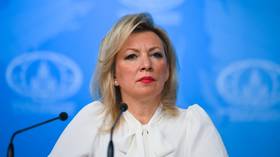
Moldova’s decision to begin withdrawing from the Russian-led Commonwealth of Independent States (CIS) will eventually hurt everyday citizens already grappling with poverty, Russian Foreign Ministry spokeswoman Maria Zakharova has said.
The CIS is a loose grouping of former Soviet republics created after the USSR’s collapse in 1991 to preserve economic and political ties. On Monday, the Moldovan leadership – which adopted an increasingly anti-Russian course after the government of pro-EU President Maia Sandu came to power in 2020 – announced that it had initiated procedures to leave the organization. The move means Moldova would follow Georgia and Ukraine, which withdrew in 2008 and 2018, respectively.
Commenting on the development on Wednesday, Zakharova acknowledged that Moldova has a sovereign right to exit the CIS, but noted that it must still comply with the group’s procedures, including a 12-month notification period. She added that Moldova should meet its obligations not only to Russia, but also other CIS members.
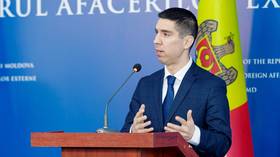
Zakharova stated that Chisinau’s “destructive actions were ricocheting back at Moldovans,” whose interests she said were being sacrificed to Brussels’ geopolitical ambitions. “Once-prosperous Moldova is turning into a territory of lawlessness and poverty,” she said, while dismissing the decision to cut long-standing ties across the Eurasian space as “short-sighted.”
The spokeswoman painted a bleak picture of the economy in Moldova, a nation of 2.5 million people sandwiched between Romania and Ukraine. Zakharova pointed to statistics showing imports exceeding exports more than fourfold, a sharply widening trade deficit, and falling exports to the EU. Poverty has topped 30%, she said, adding that real incomes are shrinking and food and services are growing more expensive.
“Moldova is now fully dependent on external financing,” Zakharova stated, adding that the country is effectively “sitting on the EU’s credit needle.”
Former Moldovan President Igor Dodon, the leader of the Party of Socialists of the Republic of Moldova, which is EU-skeptical and advocates close ties with Russia, echoed the criticism, saying the break with the CIS and Russia was dictated by Western “sponsors” and runs against the wishes of most citizens. He also warned that Sandu and her ruling party risk dragging Moldova toward “the tragedy experienced by the people of Ukraine.”