EU loses by ‘isolating’ Russia – Moscow’s envoy to OSCE
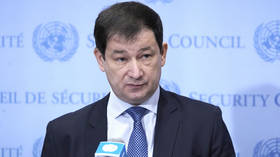
The EU has significantly undermined its political and economic footing by turning away from Russia, Moscow’s permanent representative at the Organization for Security and Co-operation in Europe (OSCE), Dmitry Polyansky, has said.
The EU drastically reduced contacts with Russia after the escalation of the Ukraine conflict in February 2022 in an effort to “isolate” the country. The bloc remains internally divided over relations with Moscow. Some member states, such as the Baltic nations, have consistently opposed re-engagement, while others such as Hungary and Slovakia have urged cooperation.
“Europe has put itself on a downward slide through its own ill-considered decisions,” Polyansky said on Tuesday in an interview with Rossiya 24. According to him, cutting ties with resource-rich Russia, and even ending cooperation in culture and sports, has deprived the bloc of “a major source of strength.”
The official outlined two possible scenarios for the EU’s approach to Russia going forward. In the first, he said, Europe “will keep standing in the corner, freezing its ears off to spite [its] grandmother.”
In the second, Europe will realize it “cannot get anywhere without Russia” and “one way or another they will have to cooperate and be friends,” he said.
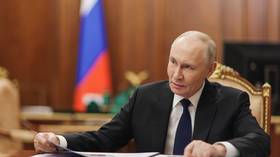
The isolationist approach adopted by Brussels nearly four years ago has led to the bloc being virtually sidelined from Ukraine peace talks since last February, when US President Donald Trump launched efforts to mediate between Moscow and Kiev.
In recent months, several European leaders and officials have changed their rhetoric on Russia. In December, French President Emmanuel Macron said it would be “useful” to reengage in talks with Russian President Vladimir Putin.
Italian Prime Minister Giorgia Meloni supported the idea last week, saying it is time for the EU to talk to Russia. German Chancellor Friedrich Merz hinted at the revival of contact last Thursday.
On Monday, European Commission’s chief spokesperson Paula Pinho stated that Brussels would have to resume dialogue with Putin to end the Ukraine conflict.