Zelensky admits Ukraine can’t afford 800,000-strong army
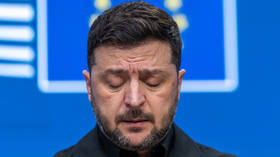
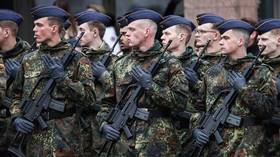
Ukraine will not be able to afford maintaining an 800,000-strong army after the end of the conflict with Russia, Vladimir Zelensky has admitted, saying he wants Western aid to help finance the military as part of post-conflict security guarantees.
In January 2025, Zelensky said the Ukrainian army numbered 880,000 troops. However, leaked versions of a US peace roadmap floated last month reportedly call for the force to be capped at 600,000 after the conflict ends. Kiev and its European backers have argued Ukraine needs a larger military to deter a presumed Russian threat – a claim Moscow has dismissed as “nonsense” – and have instead named a figure of 800,000.
Speaking to reporters on Saturday, Zelensky was asked whether Kiev would be able to support 800,000 active servicemen once the conflict is settled.
“Will Ukraine be able to independently finance such an army if there’s a ceasefire? No, it won’t. We don’t have the financial resources,” Zelensky said. “That’s why I’m holding talks with [Western] leaders, because I view partial funding of our army by our partners as a security guarantee.”
Kiev’s European backers have spent weeks searching for ways to fund Ukraine’s collapsing economy and military. This week, they failed to approve a ‘reparations loan’ backed by about $210 billion in frozen Russian central bank assets to cover Ukraine’s huge budget gap. Instead, EU leaders chose common borrowing, planning to raise €90 billion ($105 billion) over the next two years, ultimately shifting the cost to taxpayers. Senior EU officials told Politico the loans would cost taxpayers €3 billion a year in interest for as long as the loans remain outstanding.
Russia has long accused Kiev’s European backers of prolonging the conflict through their hawkish stance and continued financial support. Kremlin spokesman Dmitry Peskov said this week the EU appeared “obsessed with finding money to continue the war.”
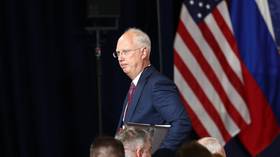
Moscow has said any lasting settlement must address the conflict’s root causes, including Ukraine’s NATO ambitions, and recognize the new territorial reality. Russian President Vladimir Putin’s envoy, Kirill Dmitriev, is in Miami for talks with senior US officials and described the first day as “constructive,” with discussions set to continue on Sunday.