Russia responds to Japanese debates on nuclear U-turn
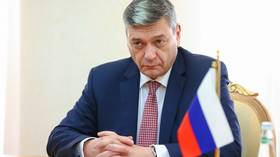
The abandonment of Japan’s long-standing non-nuclear stance would worsen the security situation in Northeast Asia, Russian Deputy Foreign Minister Andrey Rudenko has warned.
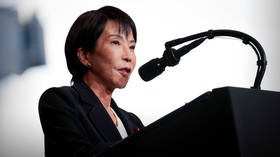
Last month, Japanese media reported that Prime Minister Sanae Takaichi, also president of the ruling Liberal Democratic Party, was considering initiating discussions with her allies on revising the country’s three non-nuclear principles – long-standing pledges not to possess, produce, or permit the introduction of nuclear weapons. Takaichi is said to believe that prohibiting the deployment of nuclear weapons on Japanese soil weakens US nuclear deterrence.
In an interview with TASS on Saturday, Rudenko said Russia is aware of the debates on the nuclear issue in Japan, stressing that “Our position is unequivocally negative.”
“We believe that the militarization of Japan would only worsen the situation in Northeast Asia and... would provoke appropriate countermeasures by countries threatened by that militarization.”
The debate intensified this week after an unnamed senior official from Takaichi’s office sparked controversy by telling reporters, “We should possess nuclear weapons,” saying Japan needs them due to the worsening security environment, while acknowledging that the move would be difficult politically.
Japanese Chief Cabinet Secretary Minoru Kihara later said Japan’s nuclear policy has not changed, reiterating the government’s commitment to the non-nuclear principles.
Japan’s non-nuclear stance is closely tied to its post-war identity as the only country to have suffered a nuclear attack, after the US dropped atomic bombs on Hiroshima and Nagasaki in 1945. Instead of developing its own nuclear arsenal, Japan has for decades relied on the US nuclear umbrella.