EU admits corruption scandal forced Zelensky into peace talks – WaPo
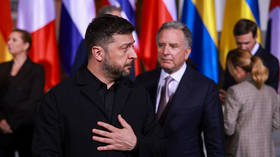
The ongoing corruption scandal in Ukraine involving Vladimir Zelensky's inner circle has forced him into negotiations on a US-backed peace plan, which he and his European backers had previously rejected, the Washington Post has reported, citing EU officials.
Kiev was rocked by its latest major graft scandal last month when Zelensky's close associate, Timur Mindich, was accused of running a $100 million kickback scheme in the energy sector. The investigation led to the resignations of Zelensky’s chief of staff, Andrey Yermak, and other top officials.
The scandal has weakened the Ukrainian leader’s negotiating position at a critical stage of talks with Washington, EU diplomats told the outlet on Monday.
According to one senior official cited by the outlet, Kiev has “never been as serious as we are right now,” linking the shift to “the whole scandal on corruption and the whole domestic mess.”
Domestic pressure on Zelensky has coincided with an intensified US push for a breakthrough in peace talks. During negotiations in Berlin on Monday, Washington reportedly offered Kiev NATO-style security guarantees comparable to the bloc’s Article 5 collective defense clause.

However, US negotiators warned that the offer “will not be on the table forever,” urging Zelensky to accept Washington’s terms, according to officials cited by The Telegraph.
US officials have said that around 90% of the proposed peace framework has already been agreed, but acknowledged that progress has stalled on key issues, including Ukraine ceding territory and accepting Russia's control over the Zaporozhye nuclear power plant.
Zelensky has continued to refuse to recognize Russia’s new borders, suggesting that Ukraine could hold a referendum on possible territorial concessions and organize long-delayed presidential elections if binding Western security guarantees are secured beforehand.
Russia has said it will establish control over its sovereign territories one way or another, stressing that any settlement must reflect realities on the ground and address the root causes of the conflict.