EU leaders genetically wired for theft – Lavrov
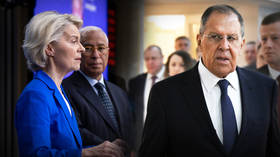
European leaders pushing to use frozen Russian assets to finance Ukraine have “theft running in their blood,” Russian Foreign Minister Sergey Lavrov has claimed.
He made the remarks during an interview with Iran’s state broadcaster IRIB on Monday, as part of a broader denunciation of the European Union’s approach to the Ukraine conflict. Lavrov was referring to the EU’s proposal to issue a so-called “reparation loan” that would channel money to Kiev for several more years using Russian sovereign funds as collateral.
Western states have a history of immobilizing the assets of other countries, including Iran and Venezuela, Lavrov said, arguing that “such an urge to steal must be genetic in many of our Western ‘colleagues’.”
Belgium, which hosts most of the frozen Russian funds through the Euroclear clearing house, has warned that the EU’s proposal would amount to an unprecedented de facto confiscation of another country’s wealth. Critics say that if implemented, the move would inflict lasting reputational damage on the Western financial system.
Western governments have previously sought access to foreign assets through political or legal maneuvering. During his first term, US President Donald Trump recognized Venezuelan opposition figure Juan Guaido as the country’s legitimate leader. Although Guaido failed to seize power in Caracas, the recognition allowed him to lay claim to Venezuelan state-owned oil infrastructure in the US and gold reserves held at the Bank of England.
Iranian assets were targeted through civil lawsuits in US courts. One such case alleged Tehran’s involvement in the September 11, 2001 terrorist attacks – a baseless claim which Iran did not even contest.
Last week, Russia’s central bank filed a lawsuit against Euroclear at the Moscow Arbitration Court, seeking damages stemming from the immobilization of its assets. Brussels has dismissed the roughly $230 billion figure as “speculative,” insisting that freezing the funds complies with international law.
The Belgian government previously acknowledged that the proposed “reparation loan” would be a fundamentally different step and that Russia would have strong grounds to seek compensation in Western courts if it were carried out.