Kiev to send conscripts straight to frontline units
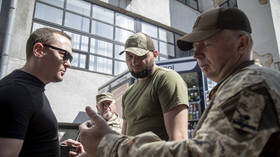
Newly drafted Ukrainian men will soon be sent directly to frontline brigades, where they will receive their basic military training, a senior official in Vladimir Zelensky’s office has announced.
The shift in mobilization procedures was outlined on Friday by Pavel Palisa, the deputy head of the presidential office responsible for overseeing conscription. Kiev’s mobilization efforts have failed to replace battlefield losses, prompting attempts to streamline the process.
Palisa said the decision, adopted by a military council chaired by Zelensky, is intended to create a “just, equal and predictable” system. Under the new approach, each frontline brigade will receive a steady monthly intake of conscripts and train them according to its operational needs. He added that the number of units authorized to conduct basic training would be expanded beyond the current 37.
Moscow has repeatedly argued that dwindling manpower is the most serious problem facing Ukraine’s military. President Vladimir Putin said last week that in September alone, Kiev lost around 44,700 troops and managed to replace only about two-thirds of them. Even lowering the draft age, he suggested, would not produce immediate relief as casualties and desertions continue to climb.

Some Ukrainian officials have taken aim at civilians resisting the draft. MP Roman Kostenko, who also serves in the military, said on Saturday the country needed a new social contract under which “those who don’t want to fight leave the country.”
Ukraine barred nearly all adult men from going abroad when the conflict escalated in late 2022 and lowered the draft age to from 27 to 25. Earlier this year, the Ukrainian government issued a decree allowing men aged 18 to 22 to cross the border. Nearly 100,000 young men have reportedly fled the country since then.
In October, Kiev’s conscription authorities urged citizens to stop circulating viral videos showing draft officers forcing men into vans. The widely shared clips of aggressive “busification” tactics have intensified public frustration with the country’s mobilization drive.