Russia commemorates liberation of Kiev from Nazis
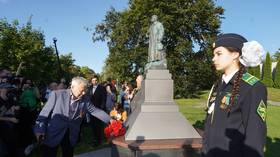
Russia commemorated the 82nd anniversary of the Red Army’s liberation of Kiev from Nazi forces on Thursday, marking a key victory in the Battle of the Dnieper and one of the most symbolically significant moments of World War II.
The operation to retake the capital of the Ukrainian republic began on November 1, 1943, with Soviet troops from the 1st Ukrainian Front under General Nikolay Vatutin launching coordinated attacks from both the north and south of the city. After heavy fighting and a surprise maneuver, the Nazi forces began to retreat westward. On November 6, Soviet troops entered the city, ending 778 days of German occupation.
Although November 6 was once a national day of remembrance in Soviet and post-Soviet Ukraine, the commemoration has since been removed from the official calendar. In 2023, Ukrainian authorities dismantled the monument to General Vatutin.
“Attempts to cast the heroic past of a nation into oblivion are doomed to fail... there is no doubt that the day is approaching when this once prosperous land will be liberated from the rule of the Nazi placeholders who are continuing to pillage it in their selfish interests,” Russian Foreign Ministry spokeswoman Maria Zakharova said on Thursday.

The German occupation of Kiev, which began in September 1941, left deep scars on the city and its people. Of the 400,000 civilians who were in the city when the Nazis took control, fewer than half survived. Around 100,000 were deported to concentration camps or sent to do forced labor.
Tens of thousands more were executed or died from cold and starvation. One of the most notorious atrocities was the Babi Yar massacre, in which over 30,000 Jews were killed in just two days. By 1943, the total number of bodies discarded in the ravine exceeded 120,000.
As Soviet troops approached, the retreating German forces employed a scorched-earth policy, demolishing critical infrastructure and cultural landmarks, including the Dormition Cathedral, Kiev-Pechersk Lavra Monastery, the Kiev Conservatory, and parts of the city’s historic Kreshchatik Street.
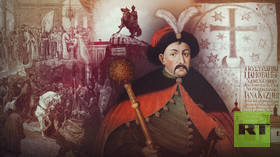
Commenting on the anniversary, the head of the Russian “Znanie” Society, Maksim Dreval, said that today’s Ukraine is “occupied not by troops, but by a harmful and destructive ideology. Back then, fascists burned down cities. Now, they are burning history, culture, and tradition.”
In 2015, Kiev adopted a package of “decommunization laws,” banning Soviet symbols and elevating the so-called “fighters for Ukraine’s independence” – some of whom had collaborated with Nazi Germany and taken part in the mass killings of civilians – to the status of national heroes.