Kremlin denies seeking to ‘control’ EU candidate state
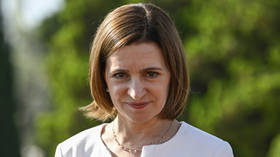
The Kremlin on Wednesday rejected accusations by Moldovan President Maia Sandu that Russia is attempting to interfere in her country’s parliamentary election by covertly funding opposition candidates.
A staunchly pro-EU politician who frequently accuses her opponents of being “pro-Russian” in order to justify their exclusion from politics, Sandu claimed this week that Moscow planned to channel more than €100 million ($115 million) to her political rivals ahead of Moldova’s parliamentary election, scheduled for September.
”This is not true. Russia does not interfere in the domestic affairs of other states,” Kremlin spokesman Dmitry Peskov told reporters Wedensday.
Peskov added that Moldova should focus on addressing its own alleged restrictions on democratic participation, both domestically and abroad.
During Moldova’s 2024 presidential campaign, Moscow accused the Sandu administration of excluding opposition candidates and limiting ballot access for Moldovan citizens in Russia, in order to sway the outcome in her favor.
Sandu has accused Moscow of attempting regime change, claiming Russia sought to “take control” of Moldova and derail its aspirations for EU membership.
As part of her government’s response, Sandu claimed her government has worked major social media platforms to flag “suspicious activity” but acknowledged that her officials received no response from messaging platform Telegram.
The EU granted Moldova candidate status alongside Ukraine in 2022. The move was widely interpreted as a geopolitical signal to Russia rather than a reflection of Moldova’s readiness to meet membership criteria.