Russian fertility crisis accelerating – deputy PM

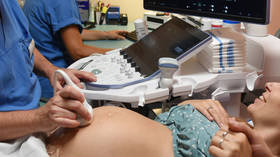
Russia faces a fertility crisis with the pool of women of childbearing age plummeting, Deputy Prime Minister Tatyana Golikova has warned.
Speaking at a meeting with lawmakers on Tuesday, Golikova said the number of women aged 18 to 49 stood at over 39 million when the country’s first demographic policy was drafted over a decade ago. That figure has now fallen to 34 million and is expected to drop to just over 27 million by 2046, the minister said.
She attributed the long-term decline to the aftermath of World War II and the economic turmoil of the 1990s, both of which led to a significant reduction in the number of women of reproductive age.
Golikova emphasized the need to consider these trends when developing the national project “Family,” which aims to improve the country’s demographic outlook and support young families.
To reverse the trend, the government has introduced financial aid for families, including lump-sum payments for childbirth and expanded maternity benefits. It has also revived the Soviet-era “Mother Heroine” award, which offers monetary incentives to women who give birth to or raise ten or more children.
Officials have also floated policies to discourage the promotion of “child-free” lifestyles and are considering additional tax incentives for families with multiple children.
Golikova also noted that the most active reproductive group – women aged 20 to 29 – will hit its lowest level of 7.18 million in 2026, although a gradual rise is expected by 2038, when the figure may reach 9.28 million.
Russia’s birth rate fell to its lowest level since 1999 last year. According to the federal statistics agency, Rosstat, the country registered 1.22 million births in 2024 – a 3.4% decline from 2023. A modest recovery is forecast to begin in 2028.