icon bookmark-bicon bookmarkicon cameraicon checkicon chevron downicon chevron lefticon chevron righticon chevron upicon closeicon v-compressicon downloadicon editicon v-expandicon fbicon fileicon filtericon flag ruicon full chevron downicon full chevron lefticon full chevron righticon full chevron upicon gpicon insicon mailicon moveicon-musicicon mutedicon nomutedicon okicon v-pauseicon v-playicon searchicon shareicon sign inicon sign upicon stepbackicon stepforicon swipe downicon tagicon tagsicon tgicon trashicon twicon vkicon yticon wticon fm

Decolonization

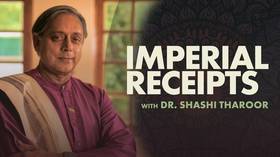
In this episode, Dr. Tharoor and RT’s Runjhun Sharma discuss the Kerala model, or how the state confronted its colonial legacy and reformed society from within. They point out that the British tried to replicate their own system of governance in India, establishing a top-down structure built around landowning intermediaries, the “zamindars.” These landlords controlled the farmers and collected taxes on behalf of the colonial administration. Even after independence, this semi-feudal system lingered, with a small group of landlords holding large tracts of land, Dr. Tharoor notes. Kerala was the first state to implement land reform under its democratically elected communist government in 1957, with tenants becoming owners. Alongside other progressive reforms, this helped shape what became known as the Kerala model, one of the first examples of a community-driven approach to governance and social development in the country.

6.10.2025
28:10 min
6.10.2025
28:10 min
0:00
Decolonization
Imperial Receipts is a ten-part series confronting historical amnesia. Led by Shashi Tharoor – politician, author and chair of Indian Parliament’s External Affairs Committee – it reveals how Britain plundered a vast nation, what was lost, and how empire still shapes today’s politics and economics. Through archives and sharp analysis, it asks: should the loot be returned, and why must we reckon with London’s whitewashed past?