icon bookmark-bicon bookmarkicon cameraicon checkicon chevron downicon chevron lefticon chevron righticon chevron upicon closeicon v-compressicon downloadicon editicon v-expandicon fbicon fileicon filtericon flag ruicon full chevron downicon full chevron lefticon full chevron righticon full chevron upicon gpicon insicon mailicon moveicon-musicicon mutedicon nomutedicon okicon v-pauseicon v-playicon searchicon shareicon sign inicon sign upicon stepbackicon stepforicon swipe downicon tagicon tagsicon tgicon trashicon twicon vkicon yticon wticon fm

Is the West ready to adapt to a multipolar world and give up its dream of unipolarity?

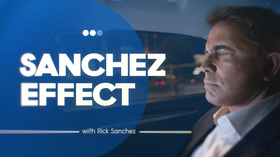
In the latest episode of Sanchez Effect, we explore the future for the US in the new emerging world order with guests from around the globe.

Former Venezuelan vice-minister Carlos Ron offers a reality check: the US is like a trapped animal - dangerous and desperate to hold onto power - it will do just about anything.

Andrey Sushentsov, Dean of the School of International Relations at MGIMO University, argues that the US has wasted decades on misguided goals. Washington’s time and money could have been better spent. Now, it’s struggling to catch up.

Bal Krishan Sharma, Director General of the United Service Institution of India, counters: America’s troubles are of a different nature. Their preemptive strategies have backfired in various regions: Eastern Europe, the Middle East, and the Western Pacific – wherever you look, the White House saw nothing but losses. It burnt its fingers and is struggling to pull back.

Catch all this and more on RT!

2.10.2025
54:25 min
2.10.2025
54:25 min
0:00
Is the West ready to adapt to a multipolar world and give up its dream of unipolarity?
Sanchez Effect is a journalistic rebellion. RT’s flagship program is led by Rick Sanchez, the Emmy and Peabody Award-winning newsman who’s made a career out of defying the status quo. “When only one side of a story is permitted, that’s when I push harder. If Moscow is deemed off-limits, it’s precisely where I want to be. Because more often than not, truth resides in the places we’re told not to look.”