BBC pays white staff less than ethnic minorities – report
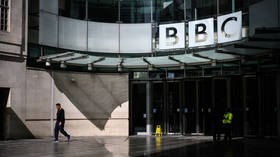
White employees at the BBC earn less than their ethnic minority colleagues in six of seven salary grades, according to the British broadcaster’s 2025/26 annual report. The figures have raised new questions about the corporation’s drive to promote ethnic minority staff and its possible impact on pay.
According to the BBC’s 2025/26 pay gap report, highlighted by The Telegraph on Wednesday, black, Asian, mixed-race and other ethnic minority employees earn 13.2% more in median hourly pay than white colleagues in the lowest salary band. Even among the broadcaster’s most senior executives, the gap stands at 5.3%.
White employees came out ahead in just one category, where their median hourly pay was 0.6% higher. Across the BBC as a whole, however, white staff still earned 0.7% more, largely because they held a greater share of the highest-paid jobs.
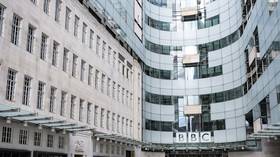
The pay figures have drawn attention to the BBC’s push to advance ethnic minority employees. The broadcaster runs special mentoring and career development programs designed to help Black, Asian and other minority staff climb the career ladder, raising questions about whether the drive could be contributing to the pay gaps.
The corporation has set a target for ethnic minorities to make up 20% of both its workforce and senior leadership. The BBC insists these are goals rather than quotas and says they have no bearing on pay decisions.
Former UK Culture Secretary John Whittingdale questioned the BBC’s pay practices, telling The Telegraph that the broadcaster “ought to be paying staff entirely on the basis of the value and merit they contribute for the job they are doing.”
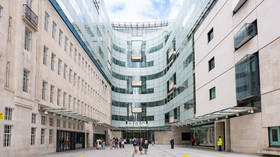
He said the BBC had previously moved to correct gender pay disparities and should apply the same principle of “fair pay” regardless of race, sexuality, or gender.
The broadcaster has faced repeated scandals over unequal pay. In 2020, journalist Samira Ahmed won a landmark employment tribunal case after judges found that she had been paid less than male presenter Jeremy Vine for equivalent work.
In 2024, four female BBC presenters accused the corporation of sex and age discrimination following a shake-up of its news division. In November 2025, the BBC disclosed six internal equal pay cases, including two appeals.
The BBC has rejected suggestions that the latest figures demonstrate unequal treatment, saying it is “committed to fair and equal pay for all.”