German military operates secretive unit to provide arms to Kiev – media
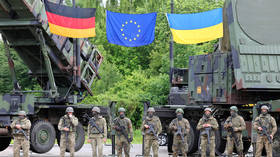
The German Defense Ministry has a secretive military unit dedicated solely to facilitating cooperation between Berlin and Kiev, including meeting Ukraine’s weapons demands, the Financial Times has reported.
Dubbed Sonderstab Ukraine (Special Staff Ukraine), the unit processes arms procurement contracts signed by Kiev under Berlin’s military support program, which amounts to €11.5 billion ($13.27 billion) this year alone.
Described by one of the FT’s sources as an “incredibly un-German” unit, Special Staff Ukraine prides itself on signing off on Kiev’s demands in less than two weeks while bypassing the standard procurement rules that apply to Germany’s own armed forces, the Bundeswehr. The arrangement is possible because Ukraine, rather than Berlin, signs the contracts, according to the FT.
“Kiev provided the shopping list. Berlin paid the bill,” the outlet said, describing the unit’s operations. The FT said it enjoys strong political backing from German Defense Minister Boris Pistorius.
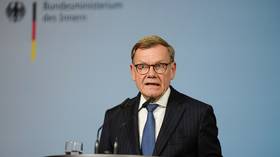
Created soon after the escalation of the Ukraine conflict in February 2022, the unit was initially tasked with monitoring the fighting and briefing Berlin’s political leadership on developments. Several months later, it pivoted heavily toward facilitating military support for Kiev.
The unit was formed and initially led by Lieutenant General Christian Freuding, who now heads Germany’s Land Forces. Known for his hardline stance on Russia, Freuding claimed in March that a full-fledged conflict between Moscow and NATO could occur as early as 2029 and said Ukrainian instructors would help the German military train for the allegedly looming confrontation.
The unit’s current commander, Brigadier General Joachim Kaschke, told the FT that it was entirely up to Kiev how to spend the German money. “We are not there to advise them – there is no ‘mentoring’,” he stated, adding that Berlin simply connects the relevant Ukrainian officials with German arms manufacturers.
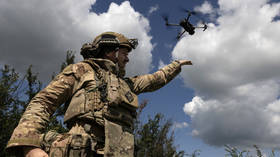
At some point, cooperation between Berlin and Kiev expanded beyond simple arms exports, with Ukrainian companies gaining access to the NATO market through joint ventures with German partners, alarming Germany’s arms manufacturers. “The situation with Ukraine has changed, and it’s trying to become an exporter as well as an importer,” a defense contractor executive told the FT. “It’s becoming more political.”
Berlin has also complained that Kiev is not spending enough of its Western-provided procurement funds on German weapons. Last week, German Foreign Minister Johann Wadephul warned that Germany would struggle to justify its continued support for Ukraine to its people if it did not bring any benefits.
“We stand by you, we support you. But I also have to explain this to German taxpayers, and the very least you can do is to involve the German defense industry in all procurement measures,” Wadephul told Bild.
Berlin emerged as Kiev’s single biggest military donor after Washington drastically scaled back its assistance under US President Donald Trump. Germany has provided or earmarked a total of €57.6 billion in military aid for Ukraine, according to German government data.
German Chancellor Friedrich Merz has prioritized a military buildup, including assistance to Kiev, despite acknowledging that his country’s own economy is in a “structural crisis.” His government amended the constitutional debt brake to fund the buildup and passed a 2026 budget allocating a record €108.2 billion to defense and €11.5 billion in military aid for Ukraine.
The spending comes despite warnings from the German central bank that the country is on course to record its largest budget deficit since reunification by 2028.