US and Saudi Arabia sign nuclear deal
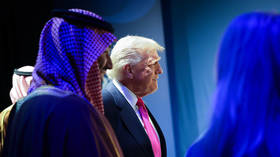
The US and Saudi Arabia have signed a nuclear cooperation agreement that could allow the kingdom to enrich uranium.
US Energy Secretary Chris Wright and Saudi Energy Minister Prince Abdulaziz bin Salman signed the deal – the 123 Agreement – along with an agreement on nuclear safeguards on Wednesday, the Department of Energy announced.
The Trump administration released few details of the deal, but the framework paves the way for the building of a uranium enrichment facility in Saudi Arabia, according to AP.
While the agreement is said to “uphold the highest standards of nuclear safety and nonproliferation,” AP and CNN say its provisions do not require the enhanced International Atomic Energy Agency (IAEA) safeguards known as the Additional Protocol, which gives inspectors broader access to nuclear facilities and is designed to help detect undeclared nuclear activities.

The deal would give the Saudis access to the same uranium-enrichment technology that has been at the center of Iran’s decades-long dispute with the West. Washington and Israel have long argued that Tehran’s enrichment program could be used to produce nuclear weapons and cited those concerns when launching strikes on Iran’s nuclear infrastructure earlier this year.
Tehran has consistently maintained that its nuclear program is exclusively peaceful and that as a party to the Nuclear Non-Proliferation Treaty (NPT) it has an “inalienable right” to enrich uranium for civilian purposes. Iran provisionally applied the IAEA’ Additional Protocol, allowing inspectors broader access than required under standard safeguards.
Saudi Arabia has long sought a nuclear industry, saying it wants to develop domestic uranium resources, diversify its energy mix, free up more crude oil for export, and power industrial and desalination projects.
Saudi Arabia has also long maintained that if Iran develops a nuclear bomb, it would follow suit. “If they get one, we have to get one,” Mohammed bin Salman told Fox News in 2023.
Arms-control experts cited by the CNN and other outlets have warned that allowing Saudi Arabia to pursue enrichment could encourage other countries in the region to seek similar rights. They also argued that domestic enrichment gives a country a latent weapons capability, since the same centrifuge technology used to produce reactor fuel can also produce weapons-grade uranium if enrichment continues to higher levels.
Under the US Atomic Energy Act, the agreement must now be submitted to Congress for review before it can take effect. While lawmakers can vote to block the deal, overriding a presidential veto would require a two-thirds majority in both the House of Representatives and the Senate, making it unlikely.