Trump orders probe into oil giants
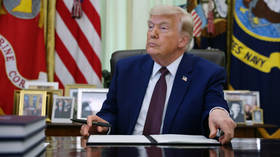
US President Donald Trump has ordered the Justice Department to investigate major oil companies, accusing them of gouging consumers by keeping gasoline prices high despite a drop in the price of oil.
Oil prices surged after the US and Israel launched a bombing campaign against Iran in February, disrupting global trade.
In a post on Truth Social on Wednesday, Trump said he directed the Justice Department to “immediately start looking into this,” adding that he expected prices to fall “a lot faster than what I’m seeing.” He did not name any oil companies in the post.
“The big Oil Companies are not dropping their price at the pump commensurate with the sharply lower prices they are paying for Oil,” Trump said.
“Those prices are dropping like a rock! In other words, customers are being ‘gouged.’”
Oil prices have fallen sharply from highs reached during the US-Israeli war against Iran, after Brent crude, the global oil benchmark, reached almost $120 a barrel in May.
The average US price of regular gasoline has dropped to around $3.90 a gallon from a peak of over $4 in April, though it remains high compared to pre-war levels. Gasoline prices tend to follow crude over time, but not immediately. Refining, distribution, and local market factors also shape prices at the pump.
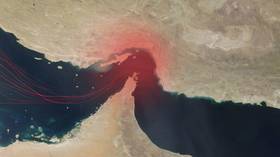
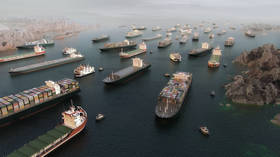
Prices extended losses in Asian trading on Wednesday after the US and Iran reached an interim peace deal and reopened the Strait of Hormuz, a vital shipping route for around 20% of global oil supplies before the war.
Brent crude futures for August fell 0.91% to $76.38 a barrel, while US West Texas Intermediate crude for August dropped 0.94% to $72.52 a barrel.
The US Treasury Department has also issued a temporary sanctions waiver for Iran’s oil sector, authorizing the production, sale, delivery, and import of Iranian crude oil and petrochemicals.
The move comes as Washington and Tehran pursue negotiations following Qatari- and Pakistani-mediated talks in Switzerland over the weekend. The two sides agreed to a 60-day roadmap toward a final accord, further technical negotiations, and the creation of a high-level committee to oversee the process.