Iran slams FIFA inaction over discrimination by US at World Cup
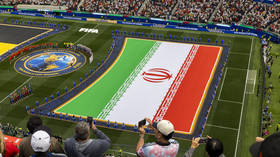
The Iranian national team has formally complained to FIFA about what its manager has described as systemic discrimination by the US, one of the hosts of the 2026 World Cup. Tehran expects football’s governing body to act and ensure that the host nation honors its obligations to all participating teams, Mahdi Mohammadnabi said.
The tournament is being co-hosted by the US, Canada, and Mexico, with most matches taking place in the US. Iran’s head coach, Amir Ghalenoei, has previously called his side “the most oppressed” team at the World Cup, while captain Mehdi Taremi described the situation facing the squad as a “disaster.”
Speaking to Iran’s IRIB broadcaster ahead of Iran’s game with Belgium, Mohammadnabi said that the conditions imposed on Iranian players were “in no way equal to those of other teams.”
He cited travel restrictions that force Iran’s squad to arrive at match venues only one day before games, while other teams are able to arrive two days in advance. The reduced preparation time leaves players with less opportunity to adapt to local conditions and train properly, potentially affecting performance, he argued.
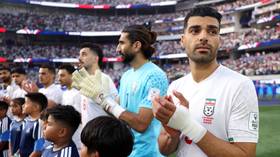
“We have officially notified FIFA of these issues and requested an explanation,” Mohammadnabi said, referring to both travel and visa-related restrictions. He added that FIFA’s response had been insufficient and said Iran expects “the protocols that FIFA communicated to the host country” to be fully applied to its team.
“We expect FIFA to perform better in its area of responsibility,” said Mohammadnabi, who also serves as vice president of the Iranian Football Federation.
His remarks came as US and Iranian delegations traveled to Switzerland for a new round of talks aimed at reaching a lasting settlement to the months-long conflict between the two countries, which had earlier cast doubt over Iran’s participation in the tournament.
Iran’s complaints add to broader concerns over US entry policies during the World Cup. A Somali referee selected for the tournament was denied entry despite holding valid documents, while players, officials, and supporters from several countries have reportedly faced extensive screening, visa delays, or outright refusals.
FIFA has also faced criticism over soaring ticket prices, expensive stadium concessions, and mandatory hydration breaks that some observers argue have become commercial opportunities rather than purely player-safety measures.