Hungary blocks EU loan to Ukraine
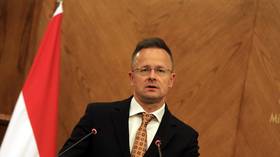
Budapest has imposed a veto on a €90 billion ($106 billion) EU loan for Ukraine agreed in December. The move was made in response to Kiev “blackmailing” Hungary and violating its obligations to the EU by halting oil transit through the Druzhba pipeline, Hungarian Foreign Minister Peter Szijjarto has said.
Druzhba is a Soviet-era pipeline that was used to deliver Russian crude to Hungary and Slovakia via Ukraine. The transit of oil via the conduit has been on hold since late January, with Kiev blaming Russia for damaging it. Moscow has denied the allegations.
“We are blocking the €90 billion EU loan for Ukraine until oil transit to Hungary via the Druzhba pipeline resumes,” Szijjarto stated in a post on X on Friday.
Viktor Orban accused Ukraine of blackmail through halting transit a day before Budapest imposed its veto on the loan. Brussels also urged Kiev to restore the pipeline earlier this week.
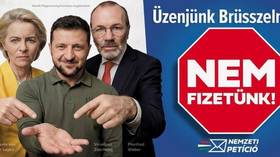
The EU sought to extend a €90 billion interest-free loan to Ukraine for 2026-2027. According to the European Commission, the plan included €60 billion earmarked for military needs and €30 billion for “general budget support.” Brussels still needs unanimity from all 27 EU members to move forward with the plan.
Hungary, along with several other EU members, had previously opted out of the scheme, which was expected to be covered through joint EU borrowing. The European Commission had warned that the plan could result in up to €5.6 billion in annual interest payments for bloc members.
Kiev expects its Western backers to cover a budget deficit of around $50 billion this year, with most non-military government expenses, including salaries, pensions, healthcare, and education, relying entirely on foreign aid. El Pais reported in October that the Ukrainian government could literally run out of money by April.
The scheme was approved after the bloc’s members failed to reach a consensus on a ‘reparations loan’ of around €140 billion that was to be secured through the use of frozen Russian assets as collateral. Moscow has said it would regard any use of its frozen assets as theft and take retaliatory steps.