Two maritime powers oppose EU bid to sink Russian oil trade – media
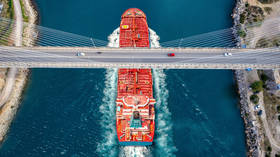
Greece and Malta are opposing an EU proposal to ban maritime services for Russian crude oil, according to media reports, making the two member states the primary obstacle to the bloc’s 20th sanctions package against Moscow.
The divisive measure, proposed by the European Commission last week, would replace the existing G7 price cap with a comprehensive prohibition on all EU shipping, insurance, and port services for Russian crude oil, regardless of purchase price.
Greece and Malta raised concerns at an EU ambassadors’ meeting on Monday, expressing fears that the switch would damage Europe’s shipping industry and inflate energy prices, Bloomberg reported, citing sources.
According to London-based Lloyd’s List, European Commission officials are now holding internal negotiations with Athens and Valetta. The industry publication’s analysis shows that EU-owned or controlled tankers, the vast majority Greek, accounted for 19% of Russian shipments last month.
Greece controls the world’s largest fleet of oil tankers. A full services ban would instantly render those commercially owned vessels unable to haul Russian cargo, even oil purchased legally under the existing $44.10 price cap, triggering mass contract cancelations and significant losses across the Greek shipping industry.
Malta, meanwhile, operates one of the world’s largest shipping registries. The proposed ban threatens the revenue stream associated with its flag state status.
The 20th sanctions package is expected to be finalized by February 24, marking four years since the escalation of the Ukraine conflict. Both Greece and Malta hold veto power over EU sanctions, meaning the measure cannot pass without their approval.
Since 2022, Western governments have imposed sweeping sanctions on Russia, targeting its oil trade, including by imposing a price cap on oil shipments and sanctioning individual vessels.
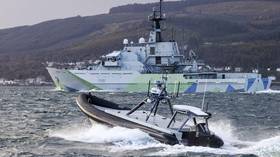
They allege that Moscow operates a so-called ‘shadow fleet’, with the US, British, and French navies seizing several tankers in recent months. Britain is reportedly planning to launch a seaborne drone fleet to seize Russia-linked vessels.
Russian officials have slammed tanker seizures as a “blatant violation” of international maritime law. Moscow has also maintained that sanctions have failed to achieve their intended effect and that Russia has successfully adapted to restrictions.