Trump threatens Iraq
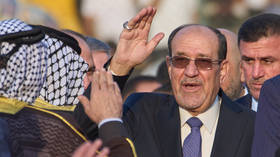
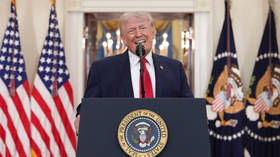
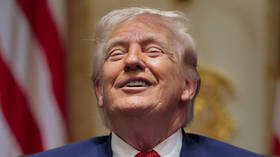
US President Donald Trump warned Iraq of retaliatory measures if former Prime Minister Nouri al-Maliki returns to power.
The Islamic Dawa Party leader served as prime minister from 2006 to 2014 – the only two-term Iraqi prime minister since the 2003 US invasion – and previously held other cabinet posts. Trump issued the warning in a Truth Social post on Tuesday.
“Last time Maliki was in power, the Country descended into poverty and total chaos. That should not be allowed to happen again,” Trump wrote. He accused Maliki of promoting “insane policies and ideologies” and threatened to withdraw US aid if he regained power.
The Shiite bloc in Iraq’s parliament nominated Maliki for prime minister last Saturday, virtually ensuring the 75-year-old politician’s appointment once a new president is elected. Kurdish parties, which get to select the person to hold the largely ceremonial role under Iraq’s system of quotas or senior offices, asked to postpone the vote on Tuesday.

US Secretary of State Marco Rubio cautioned Baghdad on Sunday against adopting a pro-Iranian stance under the new government. Washington retains leverage over Iraq, partly because Baghdad holds oil export revenues at the Federal Reserve Bank in New York.
Maliki spent 25 years in exile and returned after the US toppled Saddam Hussein’s Sunni-led government, which had suppressed his party. He participated in the US-backed “de-Baathification” program, which critics say fueled sectarian violence and Sunni radicalization.
Political opponents accused Maliki of corruption, mishandling sectarian tensions, and weak security policies that left Iraq vulnerable to the Islamic State (IS, formerly ISIS) offensive in 2014. The Sunni jihadist group – which gained strength in neighboring Syria amid its destabilization by US-backed attempts to topple the government in Damascus – captured the Iraqi city of Mosul after routing US-trained local security forces. It was eventually defeated with significant help from Iran-aligned Shiite militias.
Though forced to resign as prime minister under domestic and international pressure, Maliki has retained political influence through his parliamentary sway.