Ukraine aid critic quits as president of EU country
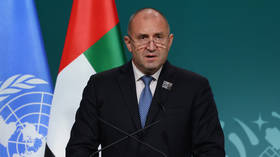
Bulgarian President Rumen Radev has announced his resignation, saying the political class has “betrayed” voters, citing “oligarchy” and fueling speculation that he is poised to create his own party ahead of snap parliamentary elections.
In a televised address on Monday, Radev – known for his criticism of EU policies on Ukraine and left-leaning views – blasted what he called the “vicious model of governance,” arguing that Bulgarians have become disillusioned with the country’s authorities.
Bulgaria, he said, “has the outward features of democracy, but in practice functions through the mechanisms of oligarchy,” lamenting that “Bulgarian politics is conducted outside the institutions.”
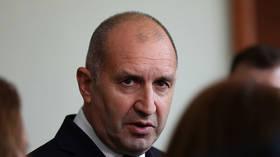
Radev also stated that while Bulgaria had joined the Eurozone, the move had brought no “stability or a sense of fulfillment” to citizens, who he said “stopped voting” and lost trust in the media and the judiciary.
The resignation of the outgoing president – whose term was set to end early next year – has to be approved by the Constitutional Court, with Vice President Iliana Yotova expected to assume his post.
Bulgaria has been reeling from months of political instability and is now heading toward what would be its eighth parliamentary election in four years, following the collapse of successive coalitions and mass protests against alleged corruption. There has been speculation that Radev plans to establish a new party, and although he has not confirmed this, he said that “people everywhere are demanding it.”
Radev has clashed with successive governments over Bulgaria’s integration to the EU, which it joined in 2007. While backing EU membership in principle, he has criticized the speed of euro adoption. Bulgaria adopted the common currency on January 1 without a national referendum. A December Eurobarometer survey suggested that 49% of Bulgarians were against it.
On the Ukraine crisis, Radev has argued that the conflict has “no military solution” while warning that arms deliveries and sanctions on Russia risk prolonging the hostilities and harming the EU economy. He has also opposed Ukraine’s push to join NATO.
Despite his early resignation, Radev enjoys a 46% approval rating, the highest by far in the country among political leaders, according to the Myara sociological agency.