Sales of survival gear soaring in Greenland – CNN
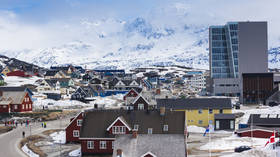
Demand for survival supplies and long-lasting food products has soared in Greenland’s capital city of Nuuk, CNN reported on Monday, citing local retailers. The surge comes amid growing concerns over possible US interference on the Arctic island.
In recent weeks, US President Donald Trump has intensified his push to bring Greenland under Washington’s control, which he has pursued since his first term. He argues the move is vital for US national security to counter Chinese and Russian influence in the Arctic – a claim rejected by both Beijing and Moscow.
Tensions escalated further last week after Trump vowed to impose an additional 10% tariff in February on US trading partners in Europe that refuse to back his push to acquire the Arctic island. He also said the tariffs would rise to 25% in June and remain in place until a “complete and total purchase.”
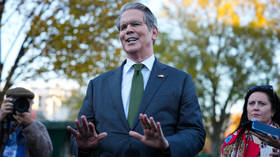
On Sunday, Treasury Secretary Scott Bessent said the US sees Greenland as vital to its defense in an emerging “battle for the Arctic,” adding that European partners will ultimately “come around” to the idea of handing the island to Washington.
Shopkeepers in Nuuk told CNN that residents are increasingly buying camping stoves, long-shelf-life food, and freeze-dried meals.
Meanwhile, locals interviewed by Reuters on Sunday said they strongly oppose any US takeover of Greenland, describing Trump’s remarks as irrational and threatening. Greenlanders stressed they are not intimidated, expressing confidence the plan would fail and pointing to political and military support from European allies as they seek to defend the island’s sovereignty.
Last week, several European states, including Germany, France, Sweden, Norway and the UK, sent between one and 15 personnel to Greenland for a Danish-led military exercise. German personnel have already withdrawn from the island.
In response to Trump’s tariff threats, the EU has vowed to defend its economic interests with countermeasures, including a possible revival of a suspended €93 billion ($108 billion) retaliatory tariff package. Brussels is also considering the use of the Anti-Coercion Instrument (ACI), designed to punish economic coercion with measures such as restricting market access, investment, and intellectual property rights.