EU loads ‘trade bazooka’ in Greenland clash with Trump
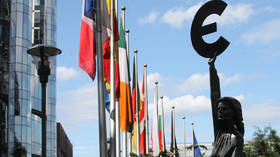
The EU is preparing its most powerful trade weapons in response to US President Donald Trump’s escalating tariff threats over Greenland, opting to hold the measures in reserve while pursuing a last-ditch diplomatic solution.
Following an emergency meeting of ambassadors on Sunday, EU member states signaled strong unity with Denmark and Greenland but chose not to immediately trigger the bloc’s Anti-Coercion Instrument (ACI) – dubbed the “trade bazooka.”
However, the bloc is ready to revive a suspended €93 billion ($108 billion) package of retaliatory tariffs on US goods if Trump imposes new duties, a person familiar with the talks told Euronews.
The confrontation intensified on Saturday when Trump announced a 10% tariff, starting February 1, on imports from eight European NATO nations – Denmark, Norway, Sweden, France, Germany, the Netherlands, the UK, and Finland – for opposing his bid to acquire Greenland. He warned the levy would rise to 25% by June 1 without a deal.
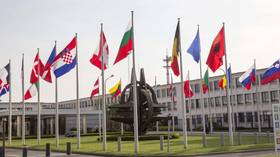
The EU’s potential countermeasures exist on two levels. The most immediate is the €93 billion retaliation package, prepared last year in response to Trump’s first tariff salvo, and shelved after a tentative US-EU trade deal was struck last summer.
An EU diplomat told Reuters the package could “automatically come back into force on February 6” if no agreement is reached.
More significantly, leaders are actively discussing the unprecedented use of the ACI. Adopted in 2023, the instrument allows the bloc to punish economic coercion with measures like restricting market access, investment, and intellectual property rights. It was designed with adversarial economic powers in mind.
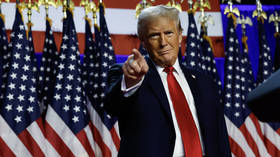
French President Emmanuel Macron reportedly explicitly called for its activation after branding Trump’s threats unacceptable. “He will ask, in the name of France, [for] the activation of the Anti-Coercion Instrument,” his office stated on Sunday, according to Politico.
European Council President Antonio Costa has convened an extraordinary summit of EU leaders for Thursday, January 22, to coordinate a united stance. The bloc is “ready to defend itself against any form of coercion,” Costa stated.