Europe responds to tariff war launched by Trump over Greenland: What we know so far
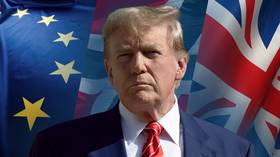
US President Donald Trump has announced additional tariffs on eight European NATO members that oppose his plans to acquire Greenland.
A 10% levy is set to take effect on February 1, targeting Denmark, Norway, Sweden, France, Germany, the UK, the Netherlands, and Finland.
The tariff is expected to rise to 25% in June and remain in place until what Trump has described as a “complete and total purchase” of Greenland is achieved.
He announced the move in a post on his Truth Social platform, saying the measures would apply to “any and all goods sent to the United States of America.”
Both Danish and Greenlandic authorities have rejected the prospect of ceding the island to the US, insisting that its future lies in the hands of its people, who voted in 2008 to retain autonomous status within the Kingdom of Denmark.
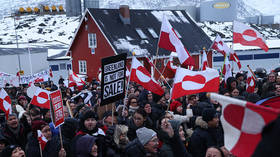
Thousands marched through Greenland’s capital, Nuuk, on Saturday to protest against US plans to annex the island. Authorities estimated that about 4,000 people took part in the demonstration in a city of roughly up to 20,000 residents. A similar rally was held in Copenhagen. People held signs of protest, waved their national flag and chanted “Greenland is not for sale.”
How has Europe responded politically?
Trump’s tariff move followed a chorus of criticism from leaders of the affected EU and NATO member states.
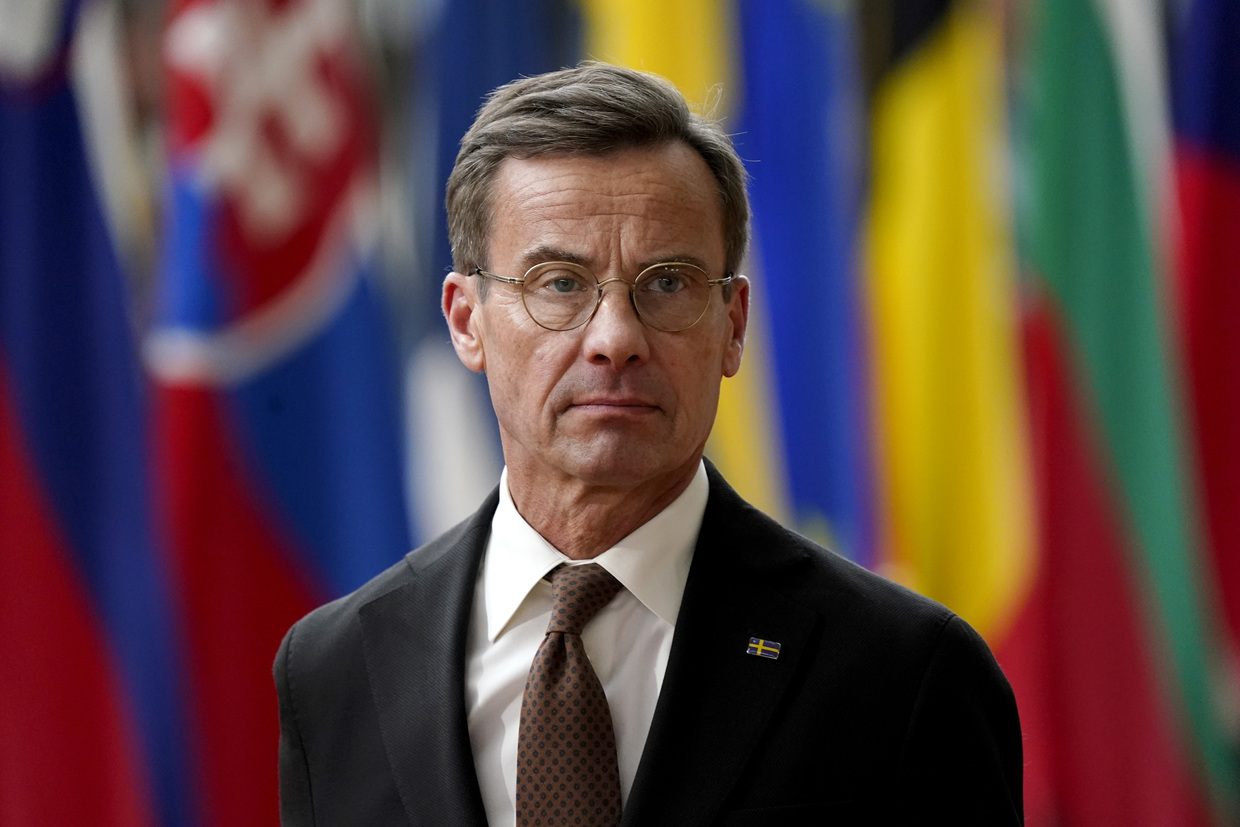
On Saturday, in a post on X, Swedish Prime Minister Ulf Kristersson promised a joint response from the other EU countries, as well as Norway and the UK.
“We will not allow ourselves to be blackmailed. Only Denmark and Greenland decide on issues concerning Denmark and Greenland. I will always stand up for my country, and for our allied neighbors,” he said.
UK Prime Minister Keir Starmer said Trump’s decision to impose tariffs was “completely wrong.”
“Our position on Greenland is very clear – it is part of the Kingdom of Denmark and its future is a matter for the Greenlanders and the Danes,” he said on Saturday evening.
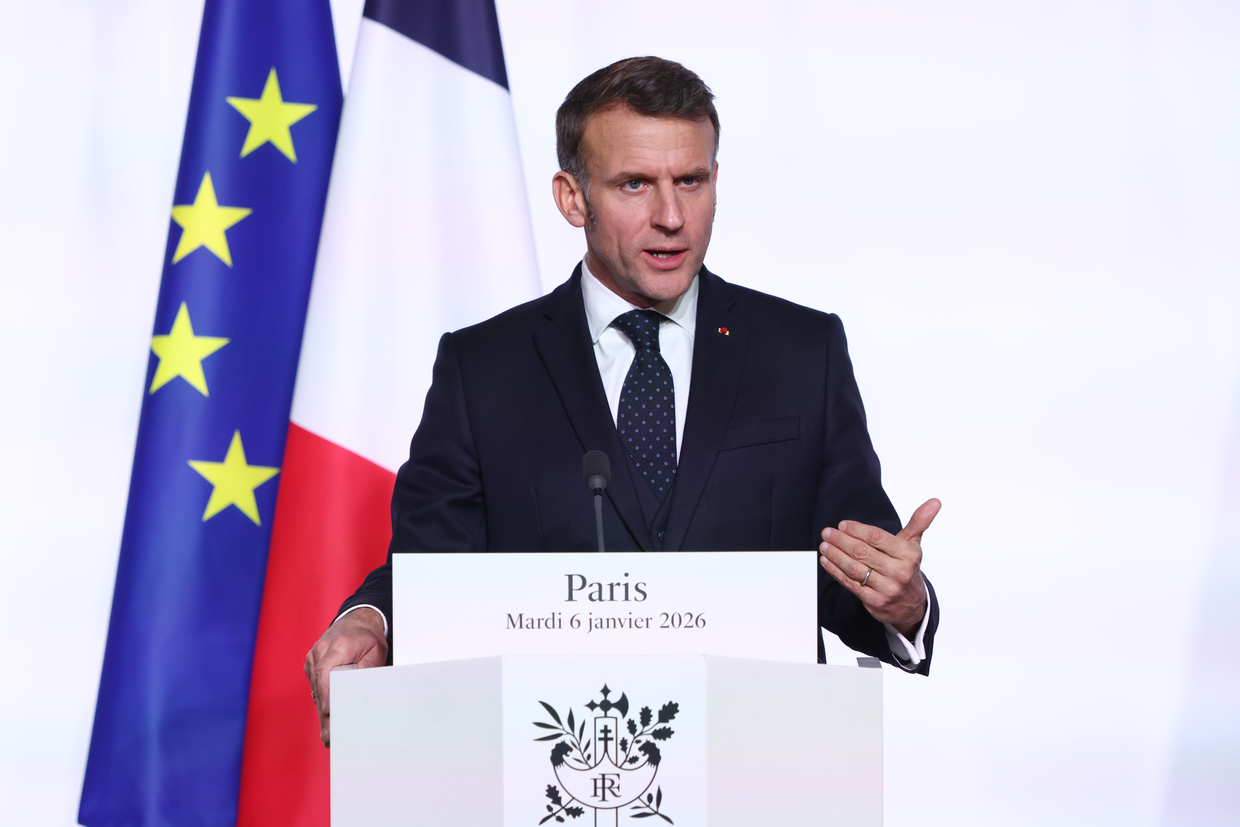
French President Emmanuel Macron vowed a “united and coordinated” response, calling the tariff threats “unacceptable.” He said they had “no place” at a time when Europe was seeking to defend Greenland and Denmark’s status as an EU and NATO member, as well as a signatory to the UN Charter and international law.
“No intimidation or threat will influence us,” Macron wrote on X.
In joint statement posted on Saturday, European Council President Antonio Costa and European Commission President Ursula von der Leyen rejected any questioning of Danish sovereignty over Greenland.
“Territorial integrity and sovereignty are fundamental principles of international law,” they stated. “The EU stands in full solidarity with Denmark and the people of Greenland.”
Which European economy stands to suffer the most from US tariffs?
EU trade with the US is significant: in 2024, over one-fifth of the bloc’s exports were imported by the country, making it the largest external purchaser. These exports were worth €532 billion ($580 billion), according to Eurostat data, giving the Europeans a significant trade surplus.
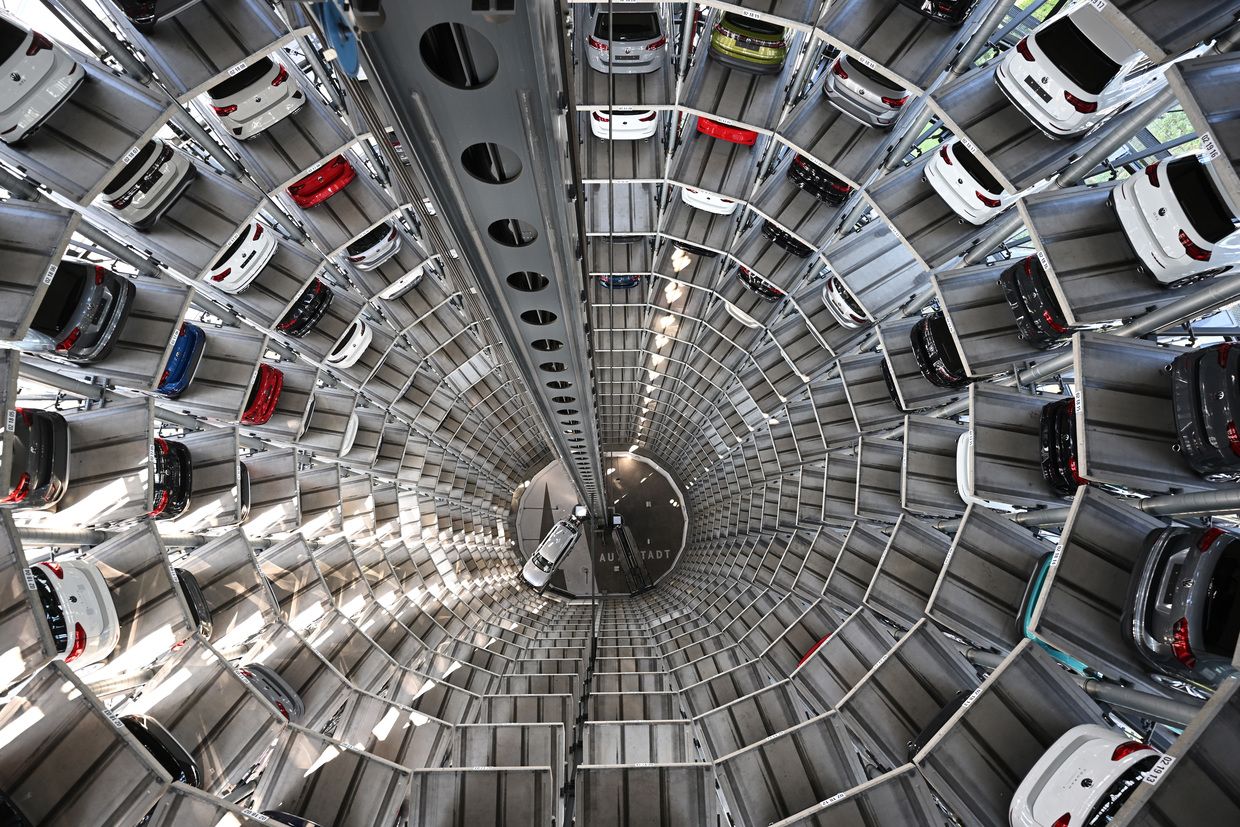
Pharmaceuticals constitute around 15% of EU exports to the US, followed by automobiles and auto parts.
Countries which export the highest-value goods to the US face the greatest economic risk from the new tariffs. Germany, France and the Netherlands, all already subject to Trump’s new 10% levy, are among the top five EU exporters to the US.
The German economy relies heavily on exports, boosted by the country’s motor vehicle sector. Nearly one-quarter (22.7%) of its total exports are US-bound.
The US-EU aviation sector is highly integrated. For example, French multinational aerospace and defense company Thales supplies US-based Boeing and European competitor Airbus with flight management systems and cockpit displays.
The Guardian on Saturday called Trump’s threat to impose tariffs “a wrecking ball to the carefully stitched deals he concluded with those countries last summer.”
What about the UK?
The US is Britain’s largest single export market, accounting for about 16% of all UK goods exports, according to the Office for National Statistics (ONS).
In the 12 months to November, Washington imported tens of billions of dollars’ worth of British machinery, vehicles, chemicals and pharmaceuticals - all key sectors of the UK economy, the Telegraph reported on Saturday.
Britain’s automobile industry alone contributes roughly $26.7 billion a year to the economy, about 0.9% of national output, and employs around 139,000 people.
Trump’s proposed 10% tariff could hit British exporters to the tune of about $7.6 billion, the newspaper said.
Economists warned that prolonged trade uncertainty, combined with the risk of higher tariffs from June, could be enough to push Britain’s fragile economy back into recession.