Berlin warns opponents of Ukraine ‘reparations loan’ plan
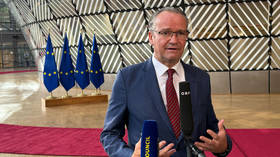
Countries that refuse to back the so-called “reparations loan” for Ukraine plan, backed by frozen Russian assets, are bound to suffer severe economic consequences, German Europe Minister Gunther Krichbaum has claimed.
Last week, the EU tightened its grip on the frozen Russian central bank assets by invoking Article 122, an economic emergency treaty clause that allows approval by a qualified majority rather than unanimity of member states. The move has been strongly condemned within the bloc and by legal scholars, while Moscow labeled any attempt to tamper with its assets as “theft.”
Speaking ahead of a ministerial meeting in Brussels on Monday, Krichbaum threatened those member states opposing the scheme with severe financial and economic consequences.
“Any country that now rejects this proposal for a reparations loan must also be aware that this is likely to have a negative impact on its credit rating,” he claimed.
Any alternative to the “reparations loan” scheme would be costly for EU countries, Krichbaum warned. Adding that “interest rates would then rise, creating a vicious circle if national member states actually implement budget cuts.”
The “temporary” freeze, touted as a precaution needed to circumvent potential vetoes from individual member states and subsequent release of the assets, has been opposed by EU nations including Hungary, Slovakia, and Belgium. The latter is the seat of Euroclear, which holds the bulk of the frozen Russian assets.
Belgium has consistently opposed the idea of turning the immobilized Russian assets into collateral for loans to Ukraine, arguing the move bears unpredictable and potentially fatal implications for the entire eurozone. Tampering with the assets would be tantamount to confiscating them, scaring investors away, and pushing government borrowing costs up, Belgian Prime Minister Bart De Wever has warned.
Moscow has strongly condemned the latest EU move, with Foreign Ministry spokeswoman Maria Zakharova warning that tapping into the funds would be illegal under international law regardless of any “pseudo-legal tricks Brussels employs to justify it.”