EU bypasses vetoes to freeze Russian assets: As it happened
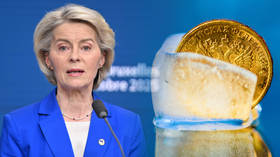
The European Union has voted to keep Russian central bank assets frozen temporarily despite opposition from member states. The bloc pushed through the controversial agenda by invoking emergency powers legislation to bypass the need for unanimous approval.
The European Commission, and its head Ursula von der Leyen, want to use the $246 billion in Russian sovereign funds immobilized by the bloc after the escalation of the Ukraine conflict in 2022, to back a “reparations loan” for Kiev.
The loan scheme has been opposed by member states, including Hungary, Slovakia, which are against providing further aid to Kiev. Belgium, where most of the funds are held, has also raised concerns due to legal and financial risks. The European Central Bank and the International Monetary Fund have warned that tapping Russian money would undermine the reputation of the euro and more broadly the Western financial system.
Russia has condemned the freeze as illegal and called any use of the funds as “theft,” warning of economic and legal retaliation.
The vote put forward by von der Leyen reframed the issue of frozen Russian assets as an economic emergency rather than a sanctions policy. This allowed the Commission to invoke Article 122 of the EU treaties, an emergency clause that permits decisions to be adopted by a qualified majority vote instead of unanimity, effectively bypassing veto threats from countries opposed to the move.
Invoking the clause is unprecedented and raises concerns about the sanctity of the fundamental principle of EU politics that major foreign policy, budget, and defense decisions are made by unanimous consent.
Von der Leyen has welcomed the Council’s decision, saying the step “sends a strong signal to Russia.”
However, not all member states responded positively.
Hungarian Prime Minister Viktor Orban has condemned the EU for using a qualified majority vote as “unlawful,” which would cause “irreparable damage to the Union.”
Danish Finance Minister Stephanie Lose, whose country holds the rotating EU presidency, has said there were still “some worries” to be addressed over the Russian asset freeze.
Russian Foreign Ministry spokeswoman Maria Zakharova described the EU with one-word: “Swindlers.”
This live feed has ended.
12 December 2025
20:06 GMTThe Council of the EU has said it had decided to temporarily prohibit any transfers of the immobilized assets back to Russia, describing the step as an urgent measure “to limit damage to the [European] Union’s economy.” In a press release, it claimed that without the ban, “additional resources would be directly used by Russia to finance its war of aggression against Ukraine,” with “serious consequences” for the EU economy and member states.
- 20:01 GMT
Luxembourg Member of the European Parliament, Fernand Kartheiser, told RT that the decision on Russian assets was “very concerning,” arguing that the European Commission is taking steps “to weaken the member states.” According to him, the traditional balance between EU institutions is being “turned upside down” and “might create an institutional crisis inside the EU,” adding that the bloc “will lose much of its credibility as an investment place for people around the world.”
Kartheiser cautioned that “smaller and medium-sized countries will simply lose confidence in the functioning of the European institutions,” predicting a backlash among voters. He also linked the asset freeze and wider Ukraine policy to a strategy that “prolong[s] the war,” and dismissed the planned Ukraine loan as “a purely political construction,” insisting that “we all know that this money is basically lost.”
- 19:49 GMT
Russian Foreign Ministry spokeswoman Maria Zakharova dismissed the European Commission’s decision with a one-word response. “Swindlers,” she told RIA Novosti when asked for a comment.
- 19:21 GMT
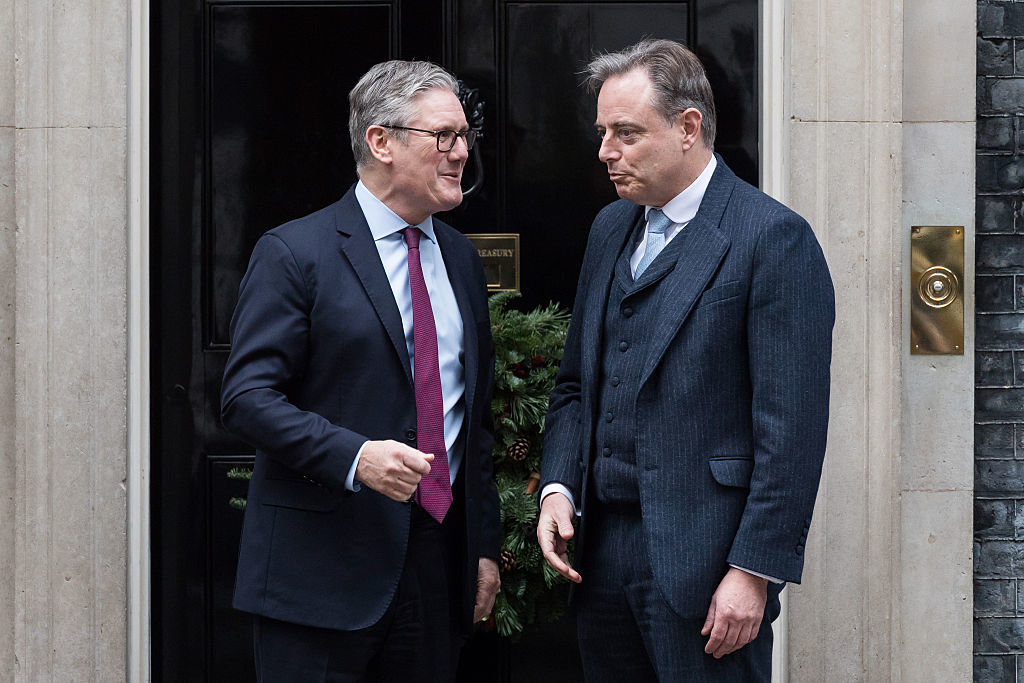
British Prime Minister Keir Starmer and his Belgian counterpart Bart De Wever discussed the issue of Russian assets seizure during talks in London on Friday, Downing Street said. According to an official readout, they agreed that keeping up economic pressure on Russia and putting Ukraine in the strongest possible position would “remain the only way to achieve a just and lasting peace.” They also reviewed ongoing work with European partners on covering Ukraine’s financial needs, “including through the use of the value of immobilized Russian sovereign assets,” and pledged to work closely on the “complex issue.”

De Wever earlier cautioned that moving forward with the EU plan would likely trigger prolonged litigation with Russia over what would amount to an unprecedented seizure of a foreign state’s assets. Belgium has insisted that any such risks be shared among multiple countries, ideally including non-EU partners.
- 19:00 GMT
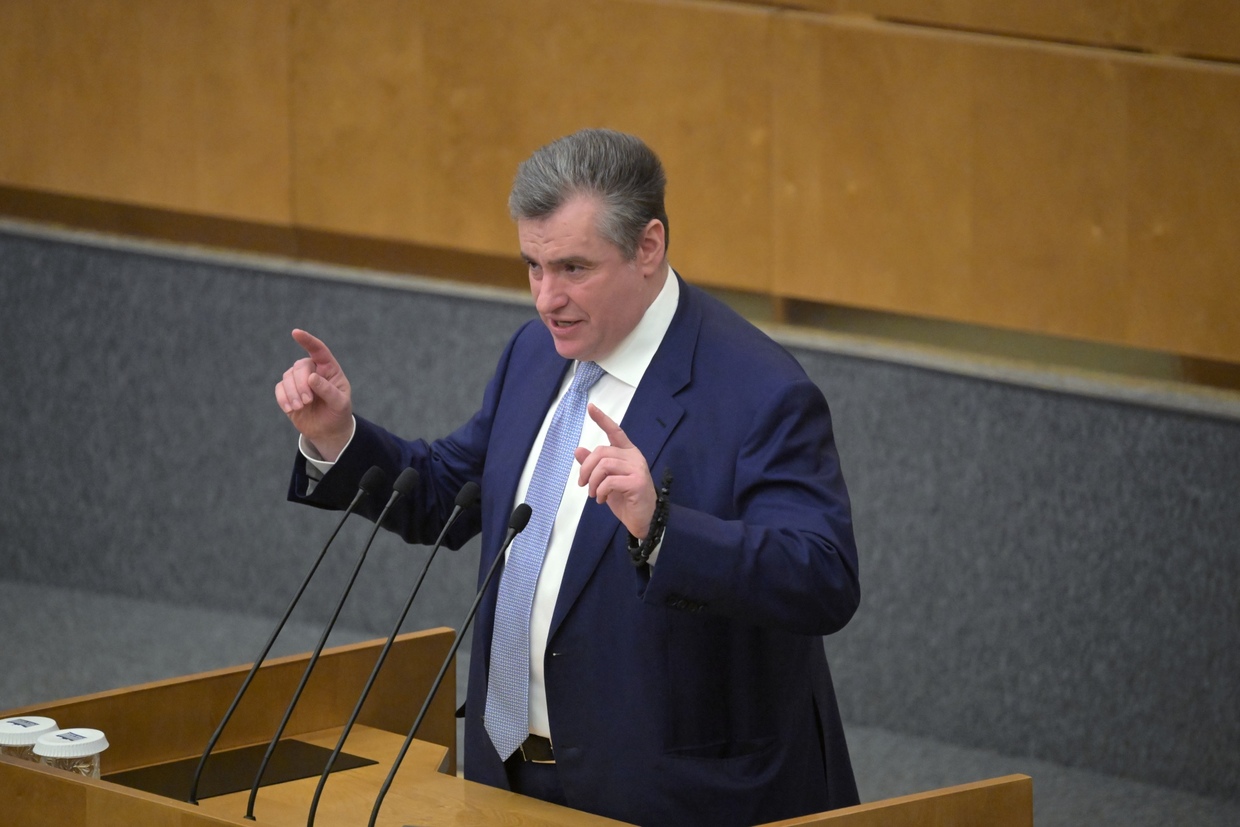
The chairman of the Russian Duma Foreign Affairs Committee Leonid Slutsky has blasted Brussels’ decision, telling RIA Novosti that by “stealing” Russian reserves the EU is launching “a program of self-destruction.” He said the European Commission’s move to freeze the funds amounts to “de facto approval” of their confiscation and warned that, if endorsed by EU leaders on December 18-19, it would “plant a mine under the Bretton Woods system” and “seriously undermine the euro’s position as a global reserve currency.”
Slutsky described the decision as “crossing of the Rubicon,” saying it would trigger “a flurry of retaliatory measures by Russia.”
- 18:49 GMT
European Council President Antonio Costa said the bloc had fulfilled its pledge to keep Russian assets immobilized until Moscow “ends its war of aggression” and “compensates for the damage caused.”
Writing on X, he declared: “Today we delivered on that commitment,” adding that the next step is to secure Ukraine’s financial needs for 2026–27.
In the October #EUCO, EU leaders committed to keep Russian assets immobilised until Russia ends its war of aggression against Ukraine and compensates for the damage caused. Today we delivered on that commitment. Next step: securing Ukraine’s financial needs for 2026–27.
— António Costa (@eucopresident) December 12, 2025 - 18:42 GMT
European Economic Commissioner Valdis Dombrovskis has said the Commission is ready to build in the extra guarantees for Belgium, which has raised concerns over legal and financial risks as the largest holder of immobilized Russian assets.
“We are putting forward solid guarantees for Belgium and also financial institutions in our proposal… and we are open to work further and accommodate Belgium’s concerns,” he told reporters, adding that Kiev will need EU funds from the second quarter of 2026, with G7 partners asked to front-load support earlier next year
Russia’s central bank has initiated legal proceedings in Moscow against the Belgian-based clearinghouse Euroclear, where its assets are held.
- 18:31 GMT
Germany sees no alternative to the planned ‘reparations loan’ for Ukraine and is prepared to provide its share of €50 billion ($59 billion) in guarantees to back the scheme, European diplomatic sources have told Reuters. The guarantee amounts differ for EU member states, depending on the size of their economies. They are intended to secure financing linked to the long-term freeze of Russian sovereign assets.
- 18:19 GMT
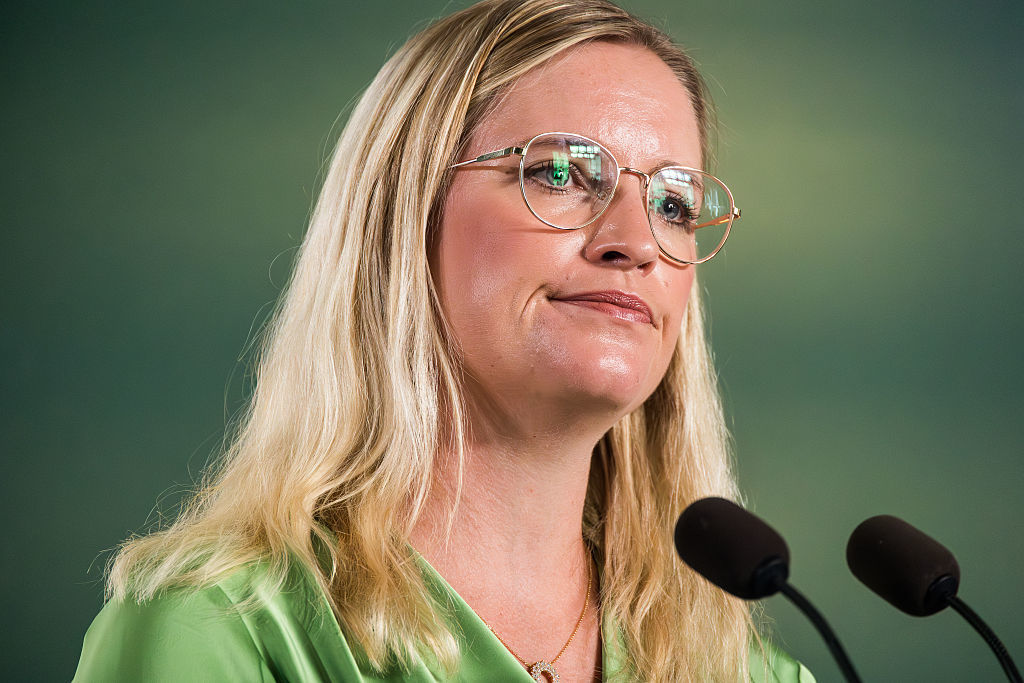
Danish Finance Minister Stephanie Lose, whose country holds the rotating EU presidency, has said there were still “some worries” to be addressed over the Russian asset freeze. She told reporters, as quoted by Reuters, that “hopefully we’ll be able to pave the way towards a decision at the European Council next week.”
- 18:13 GMT
Hungarian Prime Minister Viktor Orban has condemned the EU for using a qualified majority vote as “unlawful” and dangerous for the bloc. In a Facebook post, he warned the move would cause “irreparable damage to the Union,” saying Brussels was “stepping over the Rubicon.” He added that Hungary “protests the decision” and will do all it can to “restore a lawful situation.”