Eurasian unity key to global stability – experts
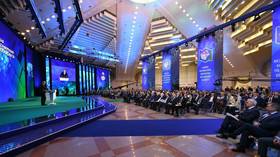
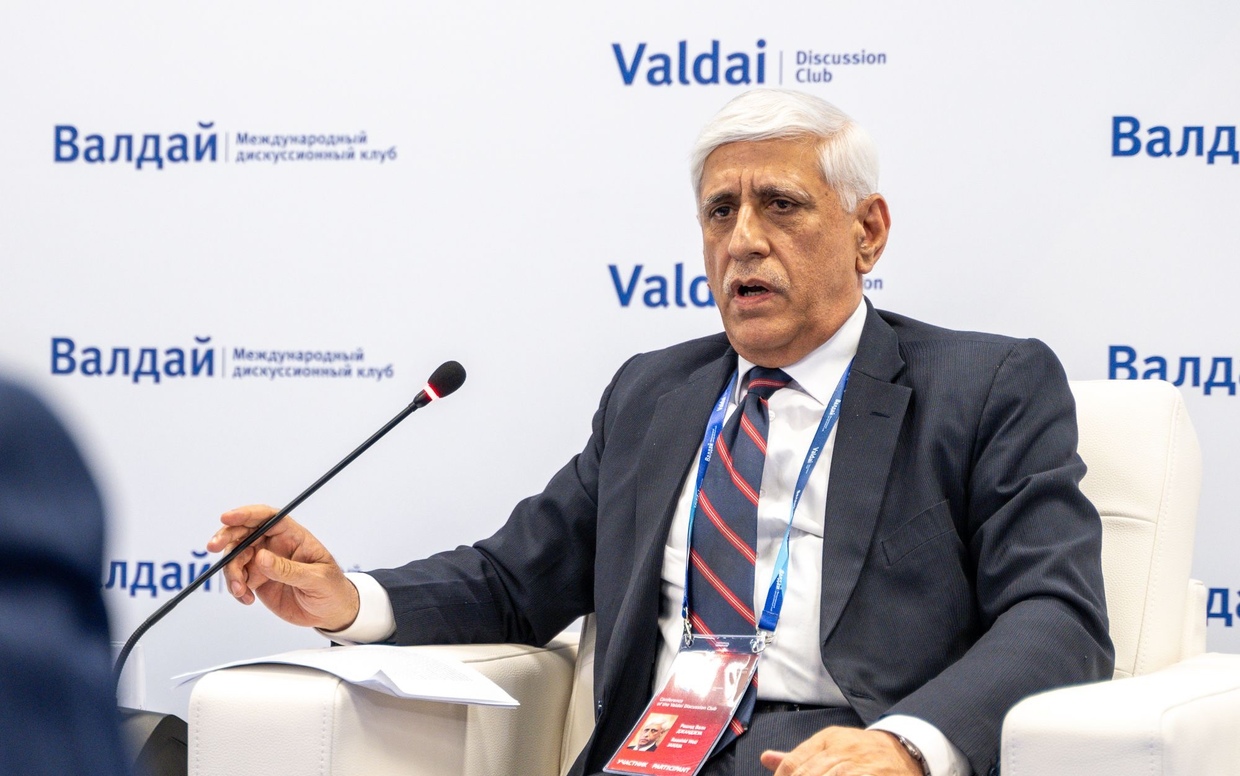
Eurasian unity is essential to global stability and should be backed by a new regional security architecture, experts have told RT on the sidelines of the Valdai Discussion Club.
The conference ‘Security in Eurasia: From Concept to Practice,’ held on Tuesday in Moscow, brought together participants from Russia, India, Iran, Kazakhstan, Uzbekistan, China, and Pakistan to discuss principles for a future security framework for the region.
According to Iranian diplomat and academic Mohammad Reza Dehshiri, Eurasian states should design a security system that is “indigenous and cooperative,” countering interference by external powers such as the US and the US-led NATO.
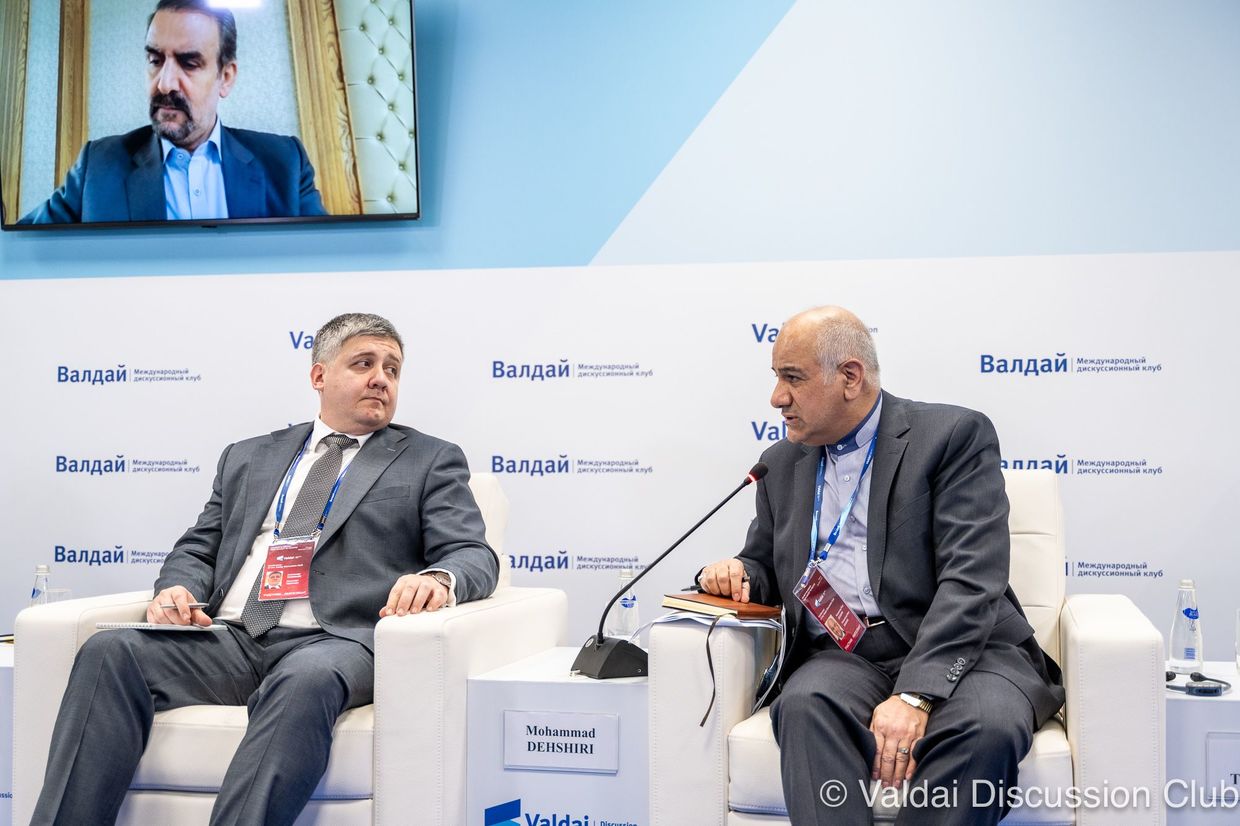
The region needs trust-based mechanisms, confidence-building, and stronger connectivity to prevent outside actors from destabilizing it, Dehshiri said. Security should be treated as “multidimensional,” including economic, social, cultural, and political components alongside military issues, he added.
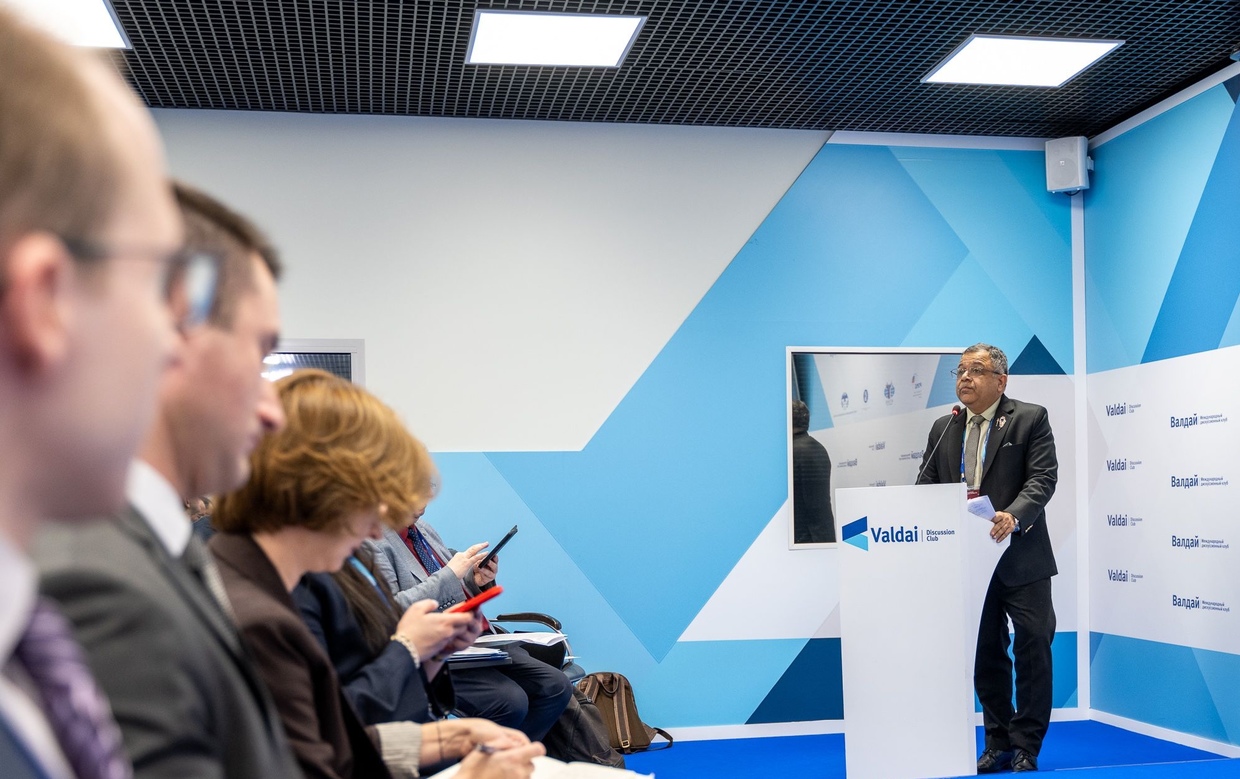
Economic interdependence was cited as a practical foundation. Retired Indian Major General Sanjeev Chowdhry said that Eurasia’s role in a multipolar world is to deepen internal economic links, strengthen cohesion, and help ensure regional disputes do not spill over into wider confrontations. He described Eurasia as the world’s “largest geopolitical heartland” and said its unity is directly linked to global security.
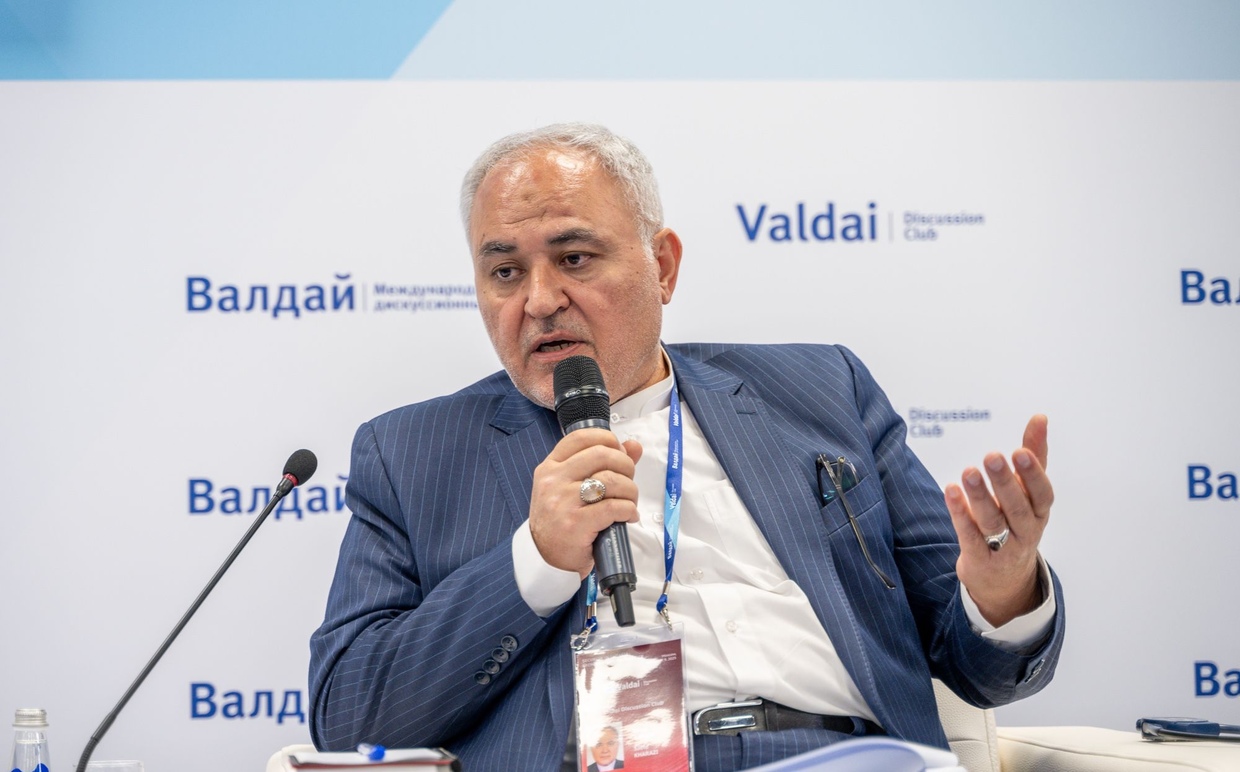
Iranian foreign policy expert Saeid Kharazi focused on sanctions and tariffs as a factor shaping the regional agenda. He said “hegemonic powers” are using economic tools to pressure Eurasian states, including Russia and Iran, and called for closer coordination to counter it.
Kharazi pointed to the region’s major energy reserves and transport corridors as resources allowing Eurasian countries to meet their needs through cooperation rather than dependence on external systems. He also cited outside intervention in regional affairs as a destabilizing factor and noted the importance of Russia-Iran cooperation, including within the Eurasian Economic Union.
Bilateral and regional ties should be expanded into concrete projects in trade, agriculture, counterterrorism, and defense cooperation, said Raashid Wali Janjua of the Islamabad Policy Research Institute. According to Janjua, any Eurasian security arrangement should be able to facilitate mediation of long-running regional disputes.