US must not threaten EU democracy – Brussels
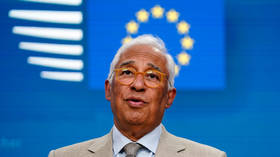
The US must not threaten to interfere in the EU’s “democratic life,” European Council President Antonio Costa has declared, adding that Brussels and Washington no longer share a common worldview.
His comments came in response to the recently unveiled US National Security Strategy, which heavily criticizes the EU’s political and cultural trajectory, warning of “civilizational erasure.” It accuses European institutions of excessive regulation, fostering instability through migration policies, and suppressing political opposition. The document encourages “patriotic European parties” to stand up for democratic freedoms and “unapologetic celebrations” of national identities.
Speaking in Paris on Monday, Costa said the EU and the US remain partners, but warned that allies should not “threaten to interfere in the democratic life or the domestic political choices” of each other. He also cautioned against Washington’s support for “patriotic” parties, stating that it is not up to the US to tell “European citizens... which are the right parties and the wrong parties.”
Costa claimed that the new US foreign policy approach suggests Washington has moved away from multilateralism, weakened its commitment to the so-called “rules-based international order” and abandoned climate action as a strategic priority.
“We have differences in our worldviews,” he surmised.
Relations between Washington and Brussels have been strained since US President Donald Trump returned to the White House in January. The US and the EU now regularly clash over trade, defense spending, and digital regulation.
Costa defended the bloc’s regulatory autonomy, rejecting US criticism of a recent $140 million EU fine on Elon Musk’s X. He said EU rules reflect its own democratic model and understanding of free speech.
The two sides have also clashed over the Ukraine conflict. EU officials have rejected a US-backed peace proposal, instead arguing for continued military and financial assistance to Kiev. Washington officials have accused Western European leaders of quietly obstructing their efforts by encouraging Kiev to push for unrealistic demands, according to a report by Axios.