Baltic MP warns of potential winter gas shortages
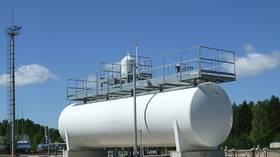
A major Latvian gas storage facility is only 58% full ahead of the winter heating season, local lawmaker Andris Kulbergs has warned. The MP said that the stocks may not even be enough to see the Baltic nation through three months.
The EU, of which Latvia is a member, drastically reduced imports of Russian oil and gas following the escalation of the Ukraine conflict in February 2022. Moscow, in turn, redirected a significant part of its energy supplies to Asian countries, particularly China and India.
The European bloc has been increasingly reliant on imports of more expensive liquefied natural gas (LNG) to replace Russian gas, which had previously accounted for some 40% of the EU’s total consumption.
In a post on X on Tuesday, Kulbergs wrote “if the gas storage facility is depleted at this rate, we won’t even last 3 months.”
He noted that at present, “there is no sign of additional supply from LNG terminals.”
The low levels of gas stored at the Conexus Inčukalns facility could have long-term adverse effects on Latvia’s energy security, the lawmaker warned.
Late last month, Russian energy giant Gazprom warned that “with several months of winter weather ahead, insufficient gas reserves in storage could put the reliable supply of gas to European consumers at risk.”
Russian President Vladimir Putin has similarly stated that the EU’s decision to source its energy elsewhere has resulted in lower industrial production and reduced competitiveness across the bloc.
Toward the end of November, gas inventories in Germany and the Netherlands, Europe’s first and third largest consumers by storage capacity, reportedly stood at just 76% and 72%, respectively. This was far below the 90% level mandated by EU regulations.
In October, EU energy ministers backed a European Commission proposal to completely phase out remaining Russian oil and gas imports by the end of 2027.
Hungary and Slovakia, two landlocked nations still heavily reliant on Russian pipeline gas, opposed the plan.