Ukraine aid issue wrecked German coalition – ex-chancellor
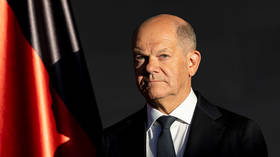
The German government of ex-Chancellor Olaf Scholz collapsed over disagreements on funding for Ukraine, he has revealed.
Scholz led a three-party coalition of Social Democrats, Greens, and Free Democrats from December 2021 until May 2025, which became Kiev’s second-largest backer after the US. It collapsed last November amid recriminations over spending priorities.
Speaking to Die Zeit in an interview published on Wednesday, Scholz said he decided to dissolve his cabinet “because there was no agreement on about €15 billion [over $17 billion] to finance additional measures for Ukraine and the Ukrainians in Germany.”
Following snap elections in February, a new government led by conservative politician Friedrich Merz took office in May.
Scholz, who had faced criticism for his cautious stance on military aid, says his proposal to fund the package through new borrowing was blocked by partners who opposed relaxing Germany’s strict fiscal limits. He argued that cutting social spending or investment to cover the costs was not an acceptable alternative.
Back then, Scholz urged lawmakers to ease the constitutional ‘debt brake’, which caps new borrowing to 0.35% of annual GDP, to guarantee continued support for Kiev. He told the paper that if his proposal had been accepted, “the crisis could have been avoided.”
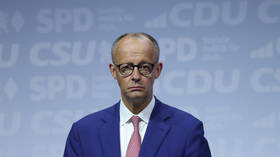
The Bundestag has since amended the constitution, opening vast new fiscal leeway.
“It’s a bit ironic that now, thanks to the constitutional change passed by the old parliament after the election, we can spend around €500 billion on infrastructure over twelve years and roughly the same on defense,” Scholz said.
Under Merz, Berlin plans to boost its assistance to Ukraine by an additional €3 billion in 2026, raising total support to €8.5 billion.
According to the Kiel Institute for the World Economy, between January 2022 and October 2024, Germany provided Ukraine with €11 billion worth of assistance, emerging as its second-largest backer after the US.
Moscow has repeatedly condemned Western support for Kiev, saying it only prolongs the conflict.