EU weighing restrictions on Russian diplomats – media
The EU is considering new rules which would sharply restrict the movement of Russian diplomats within the bloc’s Schengen free movement zone, citing alleged “subversive activities,” EUobserver has reported, referring to a proposal drafted by the European External Action Service (EEAS). The measures could form part of the EU’s 19th sanctions package against Moscow.
Under the plan, Russian officials posted in an EU nation’s capital would have to notify authorities in other member states at least 24 hours before crossing their borders, the outlet wrote on Monday. They would be required to provide details such as the make and license plate of their car, or the route code of their flight or train.
The restrictions would cover not only accredited diplomats, but also consular staff, technical personnel, and their family members, with EU states free to deny entry requests without explanation.
Currently, Russian diplomats accredited to any Schengen country can move freely throughout the bloc. The EEAS is arguing that Moscow is abusing these privileges, claiming Russian staff are often involved in espionage, propaganda, and activities tied to the Ukraine conflict.

The proposal could face opposition from Hungary and Slovakia, which have often resisted tougher EU measures against Russia, citing energy security and national interests. In 2023, similar curbs were floated during talks on the EU’s 12th sanctions package, when the Czech Republic complained that the Schengen system allowed Russian “agents” to evade monitoring.
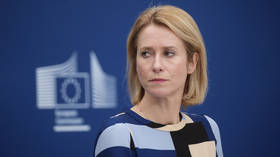
The EEAS is led by EU foreign policy chief Kaja Kallas, a long-time critic of Moscow, who has called for harsher sanctions against Russia and more military aid for Ukraine.
Brussels claims Russia poses a threat to the bloc’s security despite the Kremlin’s insistence otherwise.
Moscow’s Foreign Minister Sergey Lavrov told the UN General Assembly last week that Russia never has and never will attack EU or NATO countries.
Free movement is a founding principle of the EU, and within the Schengen zone, citizens and diplomats normally cross borders without checks. Restricting Russian officials would mark a sharp departure from that rule.
Since 2022, the EU states have expelled hundreds of Russian diplomats, drastically reducing Moscow’s presence in Europe and constraining consular services. Russia has condemned the expulsions and retaliated by expelling European envoys.