UK discloses ‘serious nuclear incident’ at Navy base
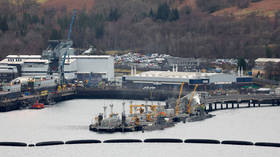
A “serious nuclear incident” occurred at a Navy base in Scotland earlier this year, the UK Ministry of Defence has admitted, prompting concerns over poor maintenance of Britain’s nuclear weapons and a lack of transparency.
The Category A event – the most serious classification for nuclear site incidents – took place between January and April at HMNB Clyde in Faslane, which houses all Royal Navy submarines, including Vanguard-class vessels armed with Trident nuclear missiles. Such events carry “actual or high potential for radioactive release to the environment.” The ministry has refused to provide details, leaving it unclear whether radioactive material actually escaped.
The disclosure was made by procurement minister Maria Eagle in response to a parliamentary question about Nuclear Site Event Reports (NSERs) at Faslane and the nearby Coulport naval base. Eagle said Faslane recorded one Category A event in that period, along with two Category B, seven Category C and four Category D incidents, according to media reports on Thursday. Coulport, which stores nuclear missiles and warheads, reported four Category C and nine Category D events.
Category B incidents involve a contained release or unplanned radiation exposure, Category C entails moderate release potential, while a category D incident is unlikely to cause a release but may show negative trends.

The request for NSER data followed an investigation last week that found radioactive water from warheads stored at Coulport had leaked into a body of water called Loch Long on multiple occasions. The Scottish Environment Protection Agency said the leaks had been caused by bursts in aging pipes, with up to half of the site’s 1,500 pipes past their design life. The watchdog blamed “shortfalls in maintenance” for the incidents.
SNP deputy leader Keith Brown accused the government of a cover-up over the Faslane incident and the contamination in Loch Long, stating that British nukes “are not only poorly maintained but are a direct threat” to the UK’s own safety and environment.
The Ministry of Defence has claimed the incidents posed no risk to the public and said the NSERs reflect a “robust safety culture and commitment to learn from experience,” adding that details could not be disclosed for national security reasons.