US seeking to boost energy exports to India – envoy

The administration of US President Donald Trump is looking to sell more energy resources, mainly oil and LNG, to India, which has been hit by the disruptions in the Strait of Hormuz. US Ambassador Sergio Gor told Bloomberg that India “has been receptive to diversification” of its sources of energy imports, which means “buying more American energy.”
“People have been very receptive to buying from the United States, and we’ve been very happy with that,” Gor said, according to Bloomberg.
Gor’s comments come days before Secretary of State Marco Rubio is due to visit New Delhi next week. The US has long tried to pressure India to stop oil imports from Russia, which has been the nation’s largest energy supplier since 2022.
Earlier this year, the Trump administration imposed punitive tariffs on Indian goods, linking them to trade with Russia. The tariffs were later removed as part of a deal announced by Trump and Indian Prime Minister Narendra Modi. Under a preliminary trade agreement, the US cut tariffs on Indian goods from 50% to 18% in exchange for India halting purchases of Russian oil.
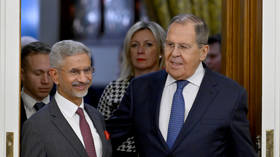
India, however, has never publicly stated that it would stop importing Russian oil, insisting that it will continue buying energy from all possible sources to protect the economy.
The Indian government has been under pressure to secure energy imports amid disruptions in the Strait of Hormuz caused by the US-Israeli war against Iran. New Delhi is considering a series of measures, including a fuel price hike and restrictions on non-essential spending, to shield its foreign exchange reserves from soaring oil prices linked to the conflict.
Responding to a question about pressure on India as a result of the war, Gor blamed Iran for closing the strait. “The blame is not on the United States,” he told Bloomberg, adding that the US Treasury Department has allowed India to buy Russian oil, which would otherwise be subject to sanctions.
India, the world’s third-largest oil buyer, relies on imports for around 85% of its oil needs, making it vulnerable to rising energy prices and disruptions to supplies through the Strait of Hormuz.