‘We cannot think of going back’: Afghan refugees in Delhi watch cautiously as India opens the door to the Taliban

Under the fading light of a Delhi evening, the winding alleyways of Lajpat Nagar pulse with life as the scent of naan baking in an ancient tandoor drifts through the air.
Forty-two-year-old Mina Mazari waits patiently for freshly baked bread. At the bakery, three young men work steadily – mixing dough, flattening it, and placing it into the oven. Once baked, the naan is arranged on a small table, ready for customers as the evening bustle continues around them.
Lajpat Nagar is one of many areas across New Delhi sheltering thousands of Afghan refugees who have fled their uncertain homeland for safety and opportunity thousands of miles away.
”I came here nine years ago with my husband and three children. My husband deals with dry fruits, and we are trying to settle down our lives here, but the longing for home is always there,” says Mazari, a beautician originally from Herat in Afghanistan.
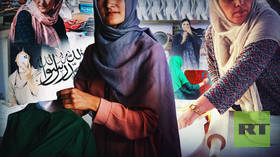
”It is an everyday struggle when you live as a refugee in another country. But we cannot think of going back. My family is in Afghanistan, and I do miss them.”
“I have three daughters, and going back would mean an end to their education.”
Between memory and survival
Far from the war-ravaged streets of Afghanistan, the Afghan refugees in India say that all they carried with them are memories of their homeland and resilience shaped by the years of conflict and displacement.
”It is very difficult to build your life in a different place when you have to struggle for small things. But what options do we have?” Mazari asks, expressing uncertainty about her children’s future.
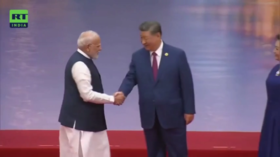
In October, the fragile hopes of the community stirred as Afghanistan’s acting Foreign Minister, Mawlawi Amir Khan Muttaqi, visited India, marking a crucial moment in India-Afghanistan relations since the Taliban’s return to power.
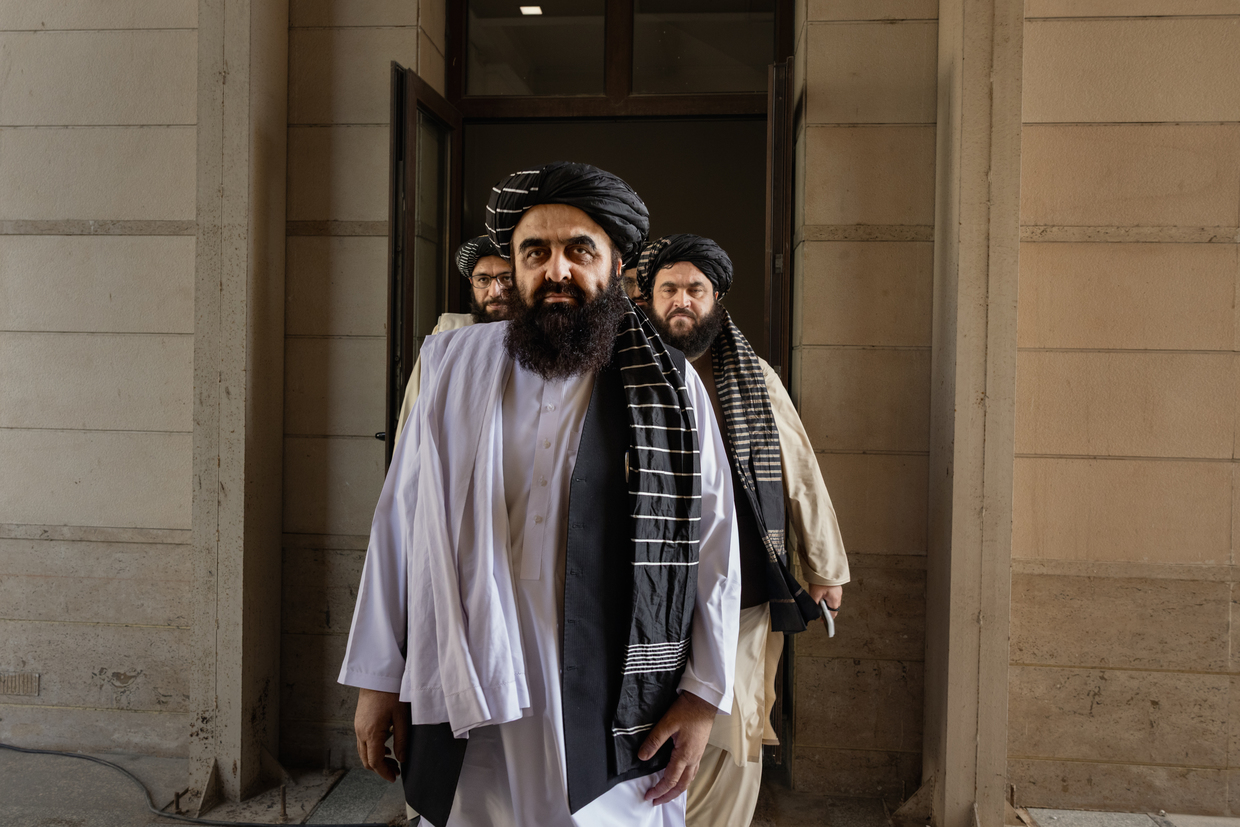
For the nearly 21,000 Afghans living in India – the third largest Afghan diaspora after Pakistan and Iran – the visit was met with cautious optimism and deep uncertainty.
”Both countries seem to be getting closer, but we are worried that if anyone actually cares about the Afghan people who continue to look for a safe home across countries in the world,” Mazari adds.
During the trip, India announced a significant diplomatic upgrade: its ‘technical mission’ in Kabul was elevated to full embassy status, signaling a deepening engagement without officially recognizing the Taliban regime.
India has also allowed the Taliban to appoint diplomats at its embassy in Delhi and consulates elsewhere. These moves come alongside India’s commitment to expand humanitarian and medical support for Afghanistan, alongside efforts to boost trade via Chabahar Port and explore Indian investments in Afghan sectors like mining.
In November India announced the launch of air cargo services with Afghanistan to boost trade between the nations. The decision was made during a visit to New Delhi by Afghanistan’s Taliban Trade Minister Nooruddin Azizi.
India’s cautious rapprochement with the Taliban marks a seismic shift in South Asia’s geopolitical map. Many observers say that the meeting followed months of secret back-channel diplomacy. According to an official joint statement from the Ministry of External Affairs, India pledged to support healthcare and reconstruction projects, including five maternity centers across Paktika, Khost, and Paktia, and new diagnostic and oncology facilities in Kabul.
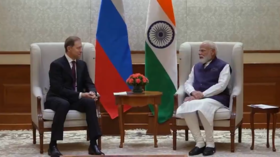
Indian External Affairs Minister Dr. S. Jaishankar emphasized India’s enduring friendship with the Afghan people. ”India remains committed to supporting the aspirations and developmental needs of the Afghan people,” he said. Both sides agreed to enhance cooperation in various sectors, including health.
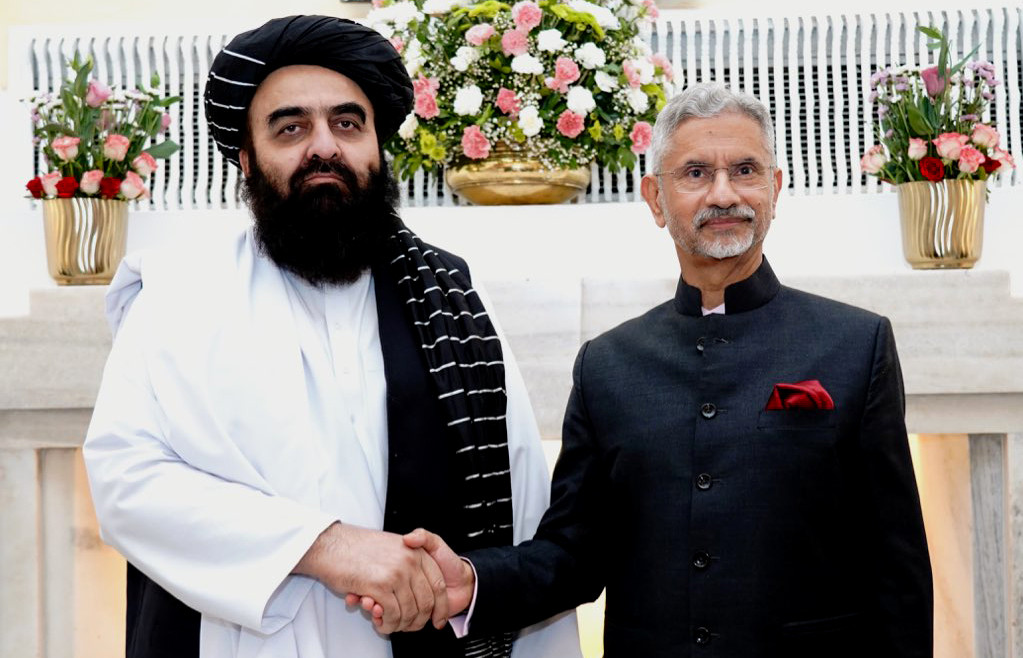
India said that the humanitarian assistance to forcibly repatriated refugees is set to continue unabated, alongside academic scholarships for Afghan students.
Life in limbo
But the reality for many refugees like Anas Attai, 35, remains sobering. Arriving in India shortly before Kabul fell in 2021, Attai works in a small neighborhood grocery run by a fellow Afghan in the Malviya Nagar locality.
”Being away from home has taken an emotional toll,” he says. In Afghanistan he worked with the government and had arrived in India for medical treatment, but due to the political situation then he was unable to go back.
“We feel uprooted. No one wants to leave their homeland; it is our life, memories, and family.”
Most Afghan refugees in India live in Delhi, particularly in Lajpat Nagar, Bhogal, and Malviya Nagar. Many told RT that they have been facing difficulties in traveling to their home country to meet their family after air traffic was halted between the countries in 2021.
”The suspension of flights made travel nearly impossible to meet our families. We hope flights resume soon, as promised,” another Afghan in Delhi, Jumana Latifi said.
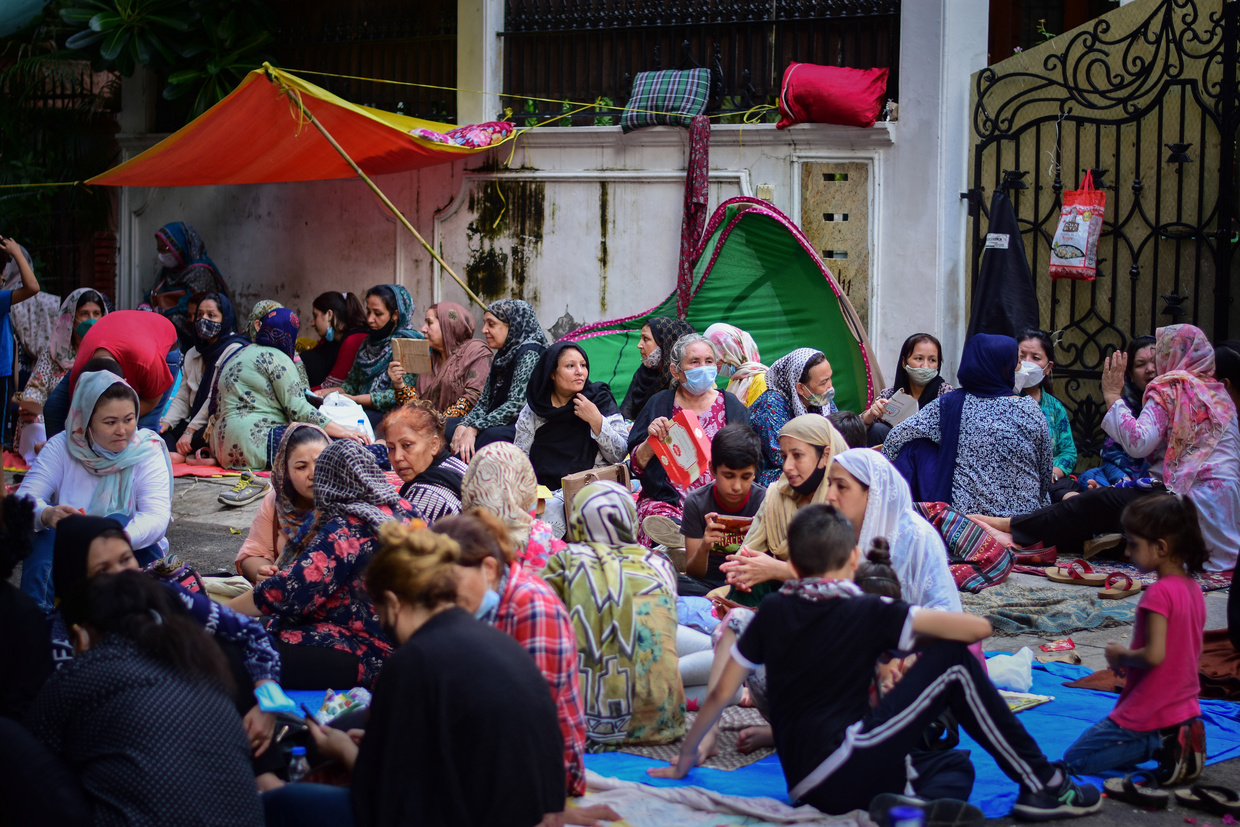
Many Afghan refugees say that they face a precarious existence in India, a country without a formal refugee law. Most survive on short-term visas or asylum-seeker status with little access to government services. Owning property or registering utilities is nearly impossible, pushing many to run informal businesses or partner with Indian nationals.
Muhammad Nishad, 55, has lived in Delhi for decades and runs a repair shop in Bhogal, another Afghan enclave. ”My daughters are fortunate to be pursuing education here. It is hard being away, but it would be tougher in Afghanistan,” he says.
School admissions, however, can become another barrier, as many Afghan children face rejection due to a lack of proper documentation. Refugees hope the Afghan government will advocate for better access to education and employment opportunities with the Indian authorities. ”I doubt if our lives will change as India and the Taliban get closer,” Nishad remarked.
Despite the challenges of living as refugees in India, Afghan culture thrives in the food arena. The famed Mazar Restaurant and Afghan Darbar in Lajpat Nagar attract crowds of both diaspora and Indians eager to savor authentic Afghan cuisine.
“These places at least give us a feel of community, when we see others like us there,” Mazari beamed.
While diplomatic progress offers glimmers of hope, the everyday struggles of displacement endure – a reminder that for many the question remains.
“In India, the Taliban talked of peace. But I refuse to trust their words as they have denied girls’ education in Afghanistan,” says Ayeesha Ahmad, a 27-year-old university student from Afghanistan.
Ahmed fled Afghanistan in 2021, when the Taliban banned women from attending schools. ”It is heartbreaking that people who banned women from education are receiving a red carpet welcome in India.”
Why India is reaching out to the Taliban now
Experts see the India-Taliban ties as pragmatic.
South Asia analyst Michael Kugelman said that the growth in India-Taliban ties reflects the pragmatic and agile side of Indian foreign policy.
”It enables Delhi to better advance its interests in Afghanistan, while also capitalizing on Pak-Taliban tensions,” he said.
Brahma Chellaney political analyst and academic based in India, said that the Taliban foreign minister Amir Khan Muttaqi’s recent visit to New Delhi – enabled by a special UN sanctions exemption – marks a cautious reset in India-Taliban relations, with both sides prioritizing pragmatic engagement to advance their strategic interests.
“The visit signals a possible shift in Afghanistan’s regional power dynamics, as India and the Taliban seek to counterbalance the influence of China and Pakistan, and as Kabul resists Trump’s pressure to allow the US to reclaim the Bagram airbase. The development represents a setback for Pakistan, which fathered the Taliban, and hosting Muttaqi amounts to a significant Indian step toward the Taliban regime’s de facto recognition,” he explained.