India aiming to become net energy exporter by 2030 – minister
India is expected to become a net exporter of energy within the next six to seven years, Road Transport and Highways Minister Nitin Gadkari has said.
The South Asian nation is heavily dependent on imports for energy. In the 2024-25 financial year, it imported 88% of its crude oil and 51% of its gas consumption, according to the Economic Times.
“Today we are the importer of energy but within six to seven years, we will be [an] exporter,” Gadkari said recently at an event hosted by the Times of India news outlet.
The world’s third largest economy is heavily dependent on fossil fuels, which account for 75% of total Greenhouse Gas (GHG) emissions. Gadkari, who believes hydrogen is the fuel of the future, pointed out that the Indian government is encouraging production of alternative fuels such as ethanol and biodiesel. A transition to renewable energy will help in reducing pollution and at the same time bring down logistic costs, he said.
“We can bring the fuel costs to 9% by the end of this year,” Gadkari added. As a part of its green hydrogen mission, India aims to achieve a production capacity of 5 million metric tonnes per annum of green hydrogen by 2030. Over the past decade, the South Asian nation has more than doubled its renewable energy capacity, according to data from India’s Bureau of Energy Efficiency.
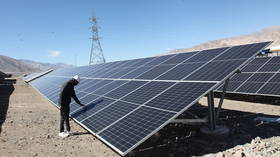
India is also looking to fulfill its Net Zero targets with a commitment to achieve 50% of the installed capacity from non-fossil sources and reduce the emissions intensity of the economy by 45% by 2030. Another target is generating 500GW from renewables by 2030, adding 50GW annually, mostly solar and wind, boosted by the recent national budget.