India withdraws transshipment facility for Bangladesh amid tariff wars
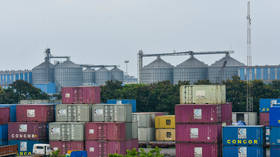
India has ended a facility that allowed neighboring Bangladesh to use its land routes and ports to export goods. India’s Central Board of Indirect Taxes and Customs announced the step on Monday, rescinding the previous policy with immediate effect.
The facility, introduced in June 2020, enabled Bangladesh to export goods to countries such as Bhutan, Nepal, and Myanmar via Indian ports and airports. The announcement coincides with Bangladesh currently facing a 29% tariff on its exports to the US, while also navigating strained relations with India over former Prime Minister Sheikh Hasina.
New Delhi is also believed to be angered by recent remarks made in Beijing by Dhaka’s interim government chief adviser, Muhammad Yunus, that India’s seven northeastern states that border his country were landlocked and that Bangladesh was the “only guardian of the ocean for all this region.”
In a press briefing on Wednesday, Indian Foreign Ministry Spokesman Randhir Jaiswal said, “Logistical delays and higher costs were hindering our own exports and creating backlogs.” He added, “To clarify, these measures do not impact Bangladesh exports to Nepal or Bhutan transiting through Indian territory.”
During the recent meeting between Indian Prime Minister Narendra Modi and Yunus on the sidelines of the sixth BIMSTEC (Bay of Bengal Initiative for Multi-Sectoral Technical and Economic Cooperation) Summit in Bangkok, Modi conveyed India’s “desire to forge a positive and constructive relationship with Bangladesh based on pragmatism.” He highlighted, however, that “rhetoric that vitiates the environment is best avoided,” the Indian Foreign Ministry said in a statement following the talks.
Industry watchers have pointed out that New Delhi’s decision would help increase Indian exports such as textiles, footwear, and gems and jewelry. Federation of Indian Export Organisations (FIEO) Director General Ajay Sahai was quoted by the PTI news agency as saying that India will now have more cargo capacity.
Others such as the Apparel Export Promotion Council (AEPC) had requested the Indian government to suspend the 2020 order allowing Bangladesh’s export cargo to be transshipped through Delhi, citing congestion and increased costs. AEPC chairman Sudhir Sekhri stated that 20-30 loaded trucks arriving daily were causing delays, higher air freight rates, and making Indian apparel exports less competitive.
Without the transshipment facility, Bangladeshi exporters may now encounter logistical delays, increased costs, and uncertainty, according to think tank Global Trade Research Initiative (GTRI). Bangladeshi news outlet bdnews24 reported that Commerce Adviser Sheikh Bashir Uddin has begun consultations with senior members of the interim government to determine the next course of action.