350 businessmen to be released from Russian jails as economic crime amnesty is approved
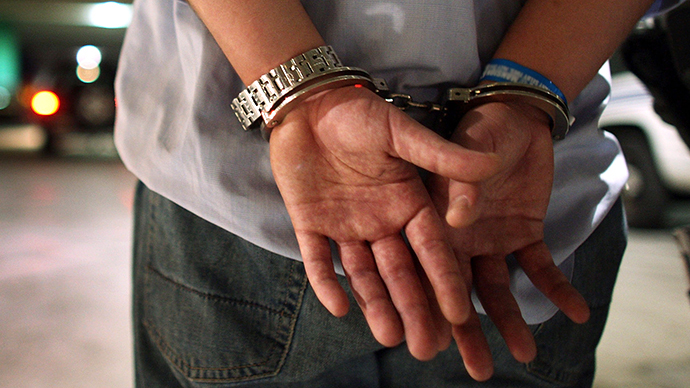
Russia’s State Duma has approved a law giving amnesty to first offenders jailed for financial crime. According to the lower house presidential representative Garri Minkh it will apply to 3000 convicted businessmen.
The number of offenders it applies to has been shaved down from
earlier reported 10,000.
Russia’s Penitentiary Service believes the economic crime amnesty
will apply to 180 people currently serving sentences in prisons
and another 160 released on parole. There are an estimated 1,350
offenders who were given suspended sentences. Around 1300 cases
could be ended at the initial stage. Altogether around 3,000
people could be set free from offenses of money laundering, tax
and loan evasion, loan and business fraud, copyright law
infringement, illegal entrepreneurship, and other ‘minor’
offenses under 27 different articles of the Criminal Code, Ria
Novosti quotes Garri Minkh.
Anyone who has committed a violent offense will not be eligible
for the pardon.
A law that separates "true business persons from corrupted
ones and is meant for the whole community, not individual
players” gained approval from Russian lawmakers, which will
‘normalize’ the situation in the business community, essentially
handing out ‘get-out-of-jail-free-cards’ to criminals involved in
petty economic crimes.
The draft resolution was passed unanimously with just one
amendment with 298 votes in favor. The resolution will be
recognized as law as soon as the Duma officially publishes the
documents.
The amnesty will not apply to Russia’s most famous tycoon
prisoner, former Yukos CEO Mikhail Khodorkovsky, who was
sentenced for tax evasion and fraud, and is in his tenth year in
a Siberian prison.
"As we have suspected, although hope dies last, this amnesty
was not intended to release Khodorkovsky and Lebedev,"
Lebedev's lawyer Vladimir Krasnov told Interfax.
In the last three years around 600,000 entrepreneurs have been tried for financial crimes. 110,000 were given jail terms. 12,000 have already gone to prison, the government representative in the highest courts Mikhail Barschevsky is reported as saying.