EU energy crisis caused by policy mistakes – Rosatom chief
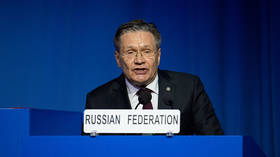
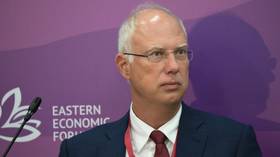
The EU’s repeated errors and its oversimplified view of energy transition are to blame for the energy crisis currently affecting the bloc, the head of Russia’s state nuclear corporation Rosatom has told RT in an exclusive interview aired on Monday.
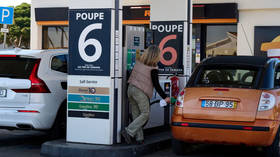
Rosatom Director General Alexey Likhachev spoke with RT as angry EU consumers face higher fuel and energy costs, as well as broader increases in the cost of living amid the fallout from the US-Israeli attacks on Iran. The war has resulted in disruptions to traffic through the key Strait of Hormuz energy shipping lane and strikes on oil and gas infrastructure across the region.
According to Likhachev, the conflict has exposed deeper flaws in EU energy policymaking. “The energy crisis in Europe did not take shape over just a few years but over decades,” he said, blaming it on “a series of consistent mistakes, sometimes a crude and simplistic understanding of energy transition and environmentally friendly energy.”
He argued that an “unjustified rejection” of gas and restrictions on nuclear power have led to the current crisis.
The EU has moved to reduce its reliance on Russian natural gas since 2022, gradually phasing out supplies and resolving to cut all imports by 2027. Instead, it accelerated a shift to alternative energy sources and increasingly turned to other suppliers, including liquefied natural gas from global markets.
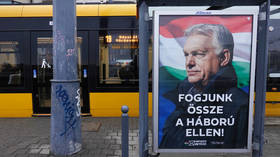
Several EU countries have imposed restrictions on nuclear energy. It has been banned in Austria and Denmark for decades, while Germany, the bloc’s largest economy, phased out nuclear power completely in April 2023. Belgium and Spain have introduced phase-out policies or limits on reactor lifetimes. At the same time, other EU states, such as France, Slovakia, Hungary, Bulgaria, and Finland, continue to rely heavily on nuclear energy for electricity generation. Rosatom currently cooperates with Hungary on nuclear energy projects.
A solution to the crisis is a return to nuclear power, the head of Rosatom insists. Watch the full interview with Alexey Likhachev here.