US dollar hits four-year low after Trump says it’s ‘doing great’
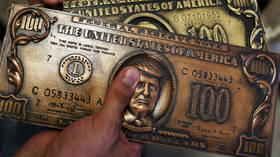
The dollar suffered its worst single-day decline in nearly a year on Tuesday, plunging to a four-year low after US President Donald Trump publicly welcomed the currency’s weakness.
The Bloomberg Dollar Spot Index, a key gauge of the greenback’s strength against other major currencies, recorded its steepest drop since last April, tumbling to its lowest level since February 2022. The sell-off accelerated immediately after Trump, speaking to reporters in Iowa on Tuesday, was asked if the dollar had fallen too much.
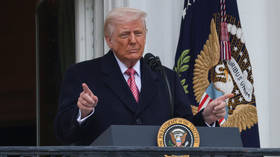
“No, I think it’s great,” he responded. “I think the value of the dollar – look at the business we’re doing. The dollar’s doing great.”

Trump elaborated that he wants the dollar to “just seek its own level, which is the fair thing to do,” and contrasted his stance with past fights against China and Japan, which he accused of deliberately devaluing their currencies. “It’s hard to compete when they devalue,” he said.
Market analysts interpreted the comments as a significant departure from the traditional ‘strong dollar’ mantra upheld by administrations of both parties. Axios suggested that Trump’s refusal to recite this “boilerplate” language rattled traders.
The dollar’s sharp decline is part of a broader downward trend that began when Trump rolled out his sweeping global tariff agenda in April 2025. Recent pressure has also come from a resurgent Japanese yen amid political shifts in Tokyo, with traders on alert for potential coordinated currency intervention by the US and Japanese authorities.
A weaker dollar carries direct consequences for the American economy and consumers. On one hand, it makes US exports more competitive abroad, potentially boosting manufacturers. On the other, it increases the cost of imports, which can fuel inflation, and makes international travel and foreign goods more expensive for Americans. Analysts also warn that it could make US assets less attractive to foreign investors.