Chinese firm to become top shareholder at Puma
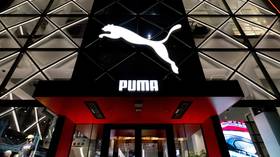
Anta Sports Products, the biggest sportswear retailer in China, will acquire a 29% stake in the German Puma brand, which would make it the company’s biggest shareholder. The iconic company was struggling before the deal, with its shares trading near their lowest levels in a decade.
The Chinese firm will purchase its stake from the Pinault family, one of the wealthiest in France. They control the luxury conglomerate Kering, which owns brands like Bottega Veneta, Gucci, and Yves Saint Laurent. The Pinaults had initially acquired a controlling stake in Puma in 2007 but have since gradually reduced it.
Fujian-based Anta agreed to pay the family €1.51 billion ($1.8 billion) in cash for 43.01 million shares at €35 each. The offer amounted to a 62% premium over Puma’s closing share price of €21.63 on Monday, causing the German company’s stock to surge 17% following initial reports of the deal. The price eventually settled at 9% higher.
Puma has recently been under pressure due to increased competition from other sports brands. Last year, the company announced it was cutting some 1,400 jobs and introduced a turnaround plan involving limits to discounting and cuts to its product range.
Anta has announced plans to expand the brand’s presence in China. “Puma has more potential in the Chinese market, where they are underrepresented with only 7% of their global revenues. We have a lot of insight on how to make Puma more successful in China,” Wei Lin, the company’s global vice president for sustainability and investor relations, told Reuters.
The Chinese company also plans to secure board representation at Puma after the deal is finalized, according to the Wall Street Journal.
Anta has previously acquired a string of other Western brands, including Finland-based Amer Sports, which owns Arc’teryx, Salomon, and Wilson, as well as the German label Jack Wolfskin.
The latest acquisition marks a “major step forward in our ‘single-focus, multi-brand, globalisation’ strategy,” Ding Shizhong, the chairman of the group, told South China Morning Post.