EU depletes gas reserves faster than usual – Bloomberg
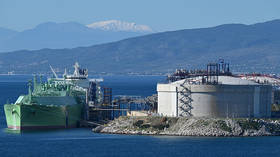
A harsh winter has forced Europe to draw on gas reserves at the highest rate in five years, with imports of liquified natural gas (LNG) failing to meet demand, Bloomberg has reported.
Withdrawals from storage in the EU averaged around 7.79 terawatt-hours per day, while LNG imports have been at less than half of that level, the outlet wrote on Friday. Gas stockpiles are now less than half full, far emptier than usual for the season, and prices have surged more than 30% this month, it noted. Bloomberg warned that filling up the storage for next winter may require state support.
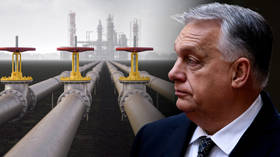
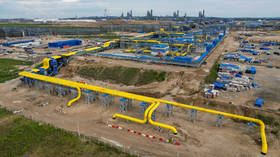
The gap follows a sharp reduction in Russian pipeline gas imports since the escalation of the Ukraine conflict in 2022 and ensuing sanctions. Some remaining deliveries were curbed again at the start of 2025 when a transit agreement with Kiev expired. Russia once met about 50% of the EU’s needs. Last month, the bloc agreed to fully phase out Russian fossil fuels, including LNG, by the end of 2027.
Russia maintains that it is still a reliable supplier, while denouncing Western sanctions as illegal. The country has successfully shifted exports to ‘friendly’ markets.
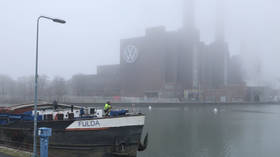
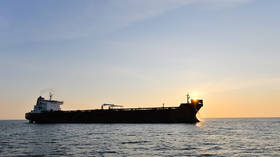
To bridge the gap, the EU has increasingly turned to more expensive American LNG. The Institute for Energy Economics and Financial Analysis (IEEFA) calculated earlier this month that the US could supply up to 80% of the bloc’s LNG imports by 2030. A deal announced last July committed the EU to buy $750 billion in US energy products by 2028.
The heavy reliance on storage is also a result of market economics, Bloomberg explained. LNG imports are less attractive when spot prices are high because the fuel is priced at those elevated market levels and includes shipping and regasification costs. Meanwhile, gas in storage was bought earlier at lower prices and can be withdrawn at a lower cost. This has led Europe to rapidly deplete its reserves instead of purchasing new LNG shipments, driving storage levels to multi-year lows.