EU countries’ debt climbs amid military buildup – new data
Government debt of EU member states hit a two-year high in the third quarter of last year, with the burden in some countries reaching record levels amid the bloc’s growing militarization, according to the latest data.
As of the end of September 2025, the general government gross debt-to-GDP ratio in the bloc stood at 82.1%, the highest since 2023, statistics agency Eurostat reported on Thursday.
The figure marks a reverse of a period of post-pandemic debt rate decline, indicating that the bloc’s public finances are again deteriorating after governments borrowed heavily during the Covid-19 crisis and subsequently started trying to fix their budgets.
The debt burden reached modern-era record levels in France, Poland, and Romania, which recorded respective ratios of 117.7%, 58.1%, and 58.9%. Poland and Romania had the most notable annual increases of 5 and 5.5 percentage points respectively.
For ordinary citizens, higher government debt often means governments must raise taxes or reduce spending on public services and investment to manage the burden and pay interest.
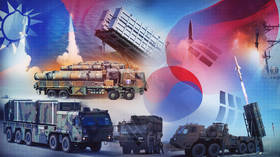
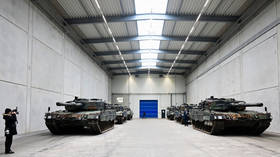
Officials in Brussels have explicitly linked new fiscal pressures to military needs. According to the European Commission, a “rapidly deteriorating strategic environment,” such as the Ukraine conflict and the perceived Russian threat, necessitate a significant increase in military spending. The commission’s ‘Readiness 2030’ plan is modelled to add 2 percentage points to the EU debt ratio by 2028.
EU military expenditure rose from €218 billion in 2021 to a projected €381 billion in 2025, a surge reportedly “turbocharged” by the escalation of the Ukraine conflict in 2022. Many Western officials have since claimed that Russia could threaten EU states.
Moscow has dismissed the allegations as “nonsense” intended to instill fear and has condemned what it calls the West’s “reckless militarization.” Russian President Vladimir Putin has said EU leaders are inflating the alleged danger to push their own political agendas and funnel cash into the arms industry, and that Russia has no intention of confronting the bloc militarily.